

*** On Saturday 27 July 2019, the Government of Bahrain executed 25-year-old Ali AlArab and 24-year-old Ahmed AlMalali, along with a third individual. Read ADHRB’s statement on the executions here. 30 May 2019 – Today, Americans for Democracy and Human Rights in Bahrain (ADHRB), along with 12 other NGOs, sent a letter to Bahrain’s King[…]
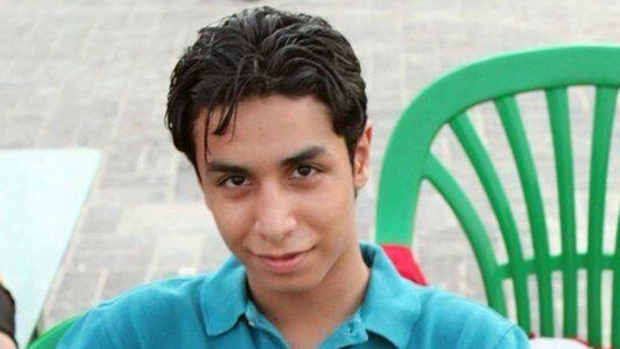
22
Jan
Jan
Throughout October 2018, United Nations (UN) Special Procedures sent three separate joint communications to the Kingdom of Saudi Arabia expressing concerns over a myriad of human rights violations, ranging from the targeting of human rights defenders to extrajudicial executions for protest-related offenses committed by minors to arbitrary arrests and detentions. This blog series highlights these[…]
28
Nov
Nov
28 November 2018 – ESOHR, ADHRB and OMCT are concerned over the imminent execution in Saudi Arabia of 15 individuals and call on the government to annul their death sentences. On 1 November 2018, the case of 12 men convicted of spying for Iran and spreading the Shia faith, including that of Abbas Al-Hassan, was[…]

24
Jul
Jul
From 30 April to 4 May 2017, Ben Emmerson, the former United Nations Special Rapporteur on promoting and protecting human rights while countering terrorism, undertook an official country visit to Saudi Arabia. Upon the conclusion of his visit, he criticized Saudi Arabia’s counter-terror framework as overly restrictive and vague – a mechanism that allows authorities[…]
03
Jul
Jul
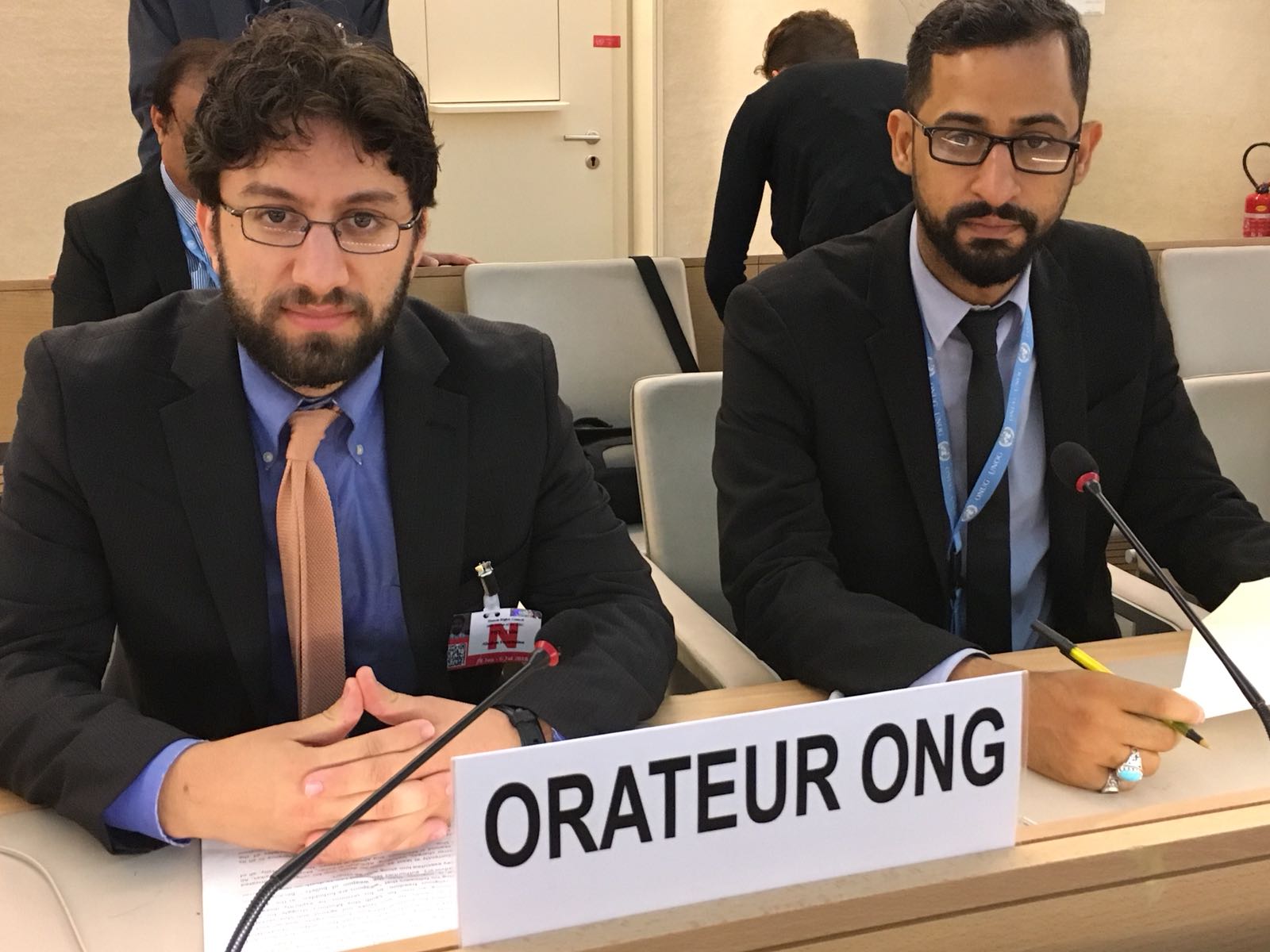
On Tuesday 3 July 2018, at the 38th session of United Nations Human Rights Council and during the Item 9 General Debate on the Durban Declaration and Programme of Action, ADHRB’s Advocacy Associate called attention to Saudi Arabia’s continued discrimination against its Shia community, in particular through its use of bogus counter-terror charges to sentenced[…]