



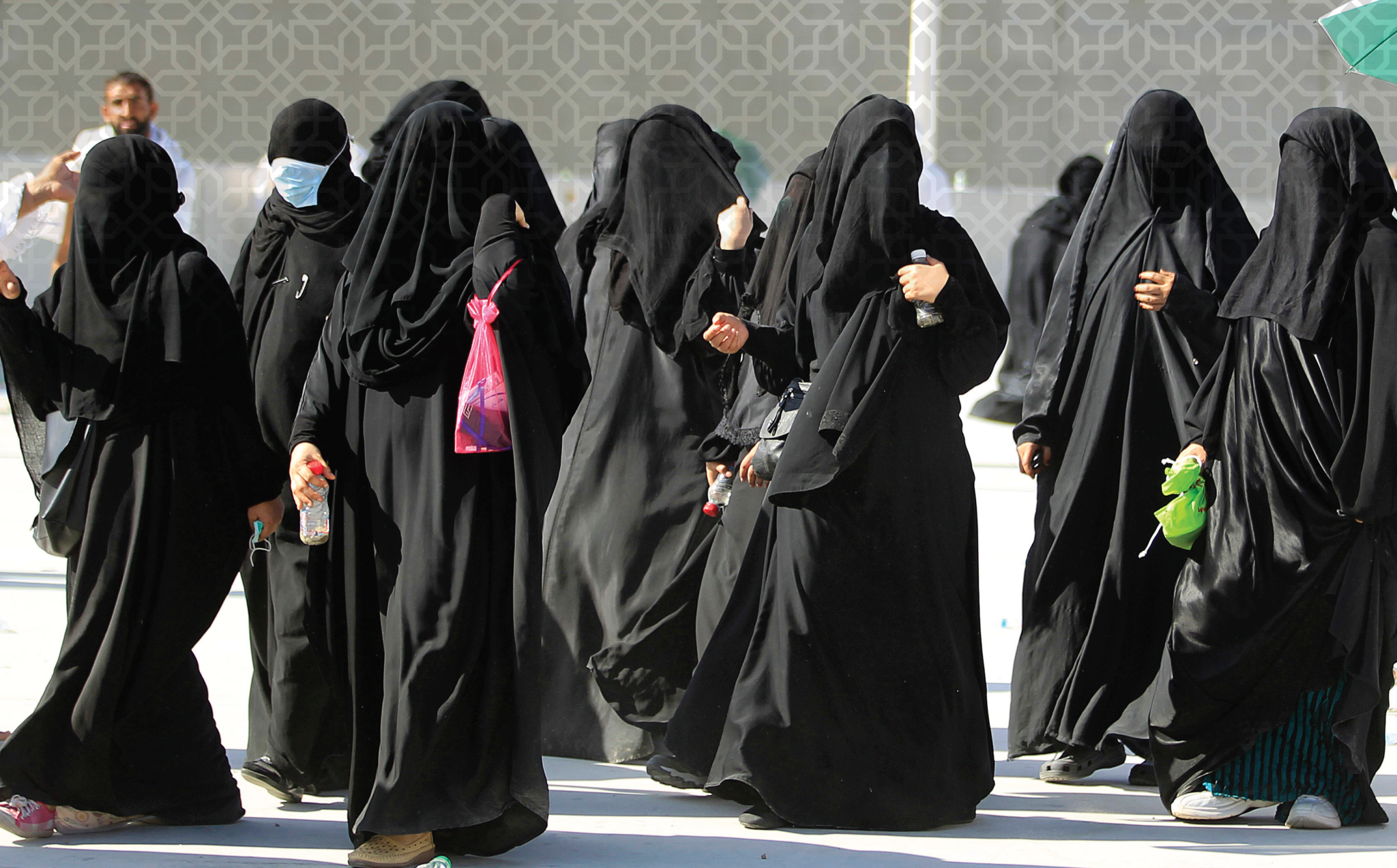
The Ongoing Arrest and Detention of Women Human Rights Defenders In May 2019, Amnesty International marked Saudi Arabia’s disgraceful “Year of Shame” in remembrance of a year’s passing since the arrest of several prominent women human rights defenders (WHRDs). Amnesty International stated that “a year ago, the authorities started locking up some of Saudi Arabia’s[…]
27
Feb
Feb
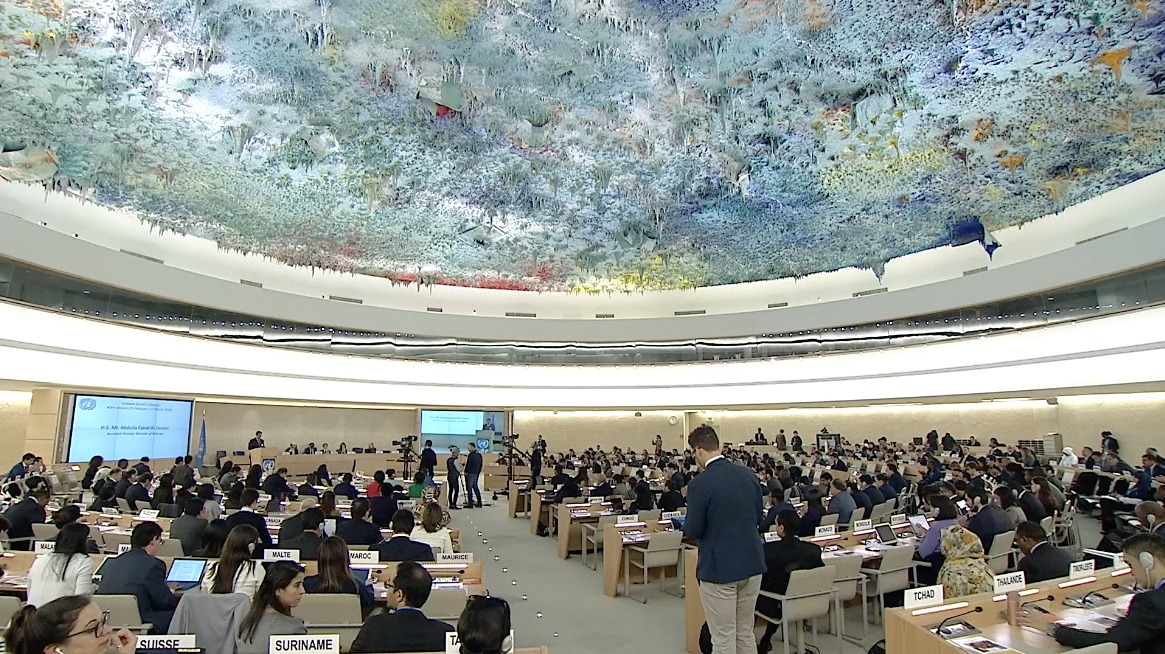
27 February 2019 — Americans for Democracy & Human Rights in Bahrain (ADHRB) takes this opportunity to respond to the statement made today by Adel Bin Ahmed Al-Jubeir, Saudi Arabia’s Minister of State for Foreign Affairs, during the High-Level Segment of the 40th session of the United Nations Human Rights Council (HRC). During his speech,[…]
08
Jun
Jun
[flipbook pdf=”https://usercontent.one/wp/www.adhrb.org/wp-content/uploads/2017/06/2017.6.8_ADHRB_Hollow-Words_SaudiWomenRights_Web.pdf?media=1702831202”] Americans for Democracy & Human Rights in Bahrain (ADHRB) is pleased to release Hollow Words, Empty Reforms: Saudi Arabia’s Effective Refusal to Reform Women’s Rights, a report assessing the impact of recent economic, legislative, and societal developments on the rights of women in Saudi Arabia. See the introduction to the report below, and click here to[…]
09
Mar
Mar
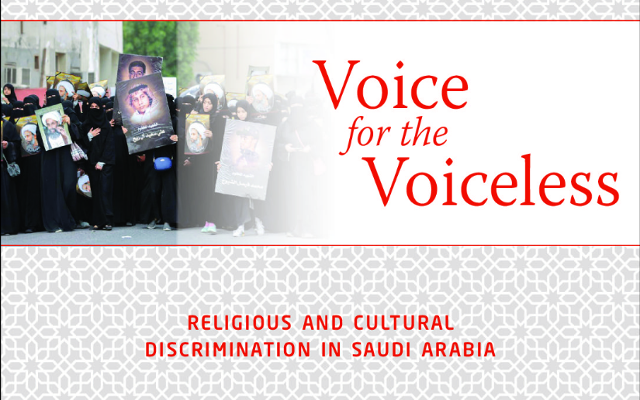
[flipbook pdf=”https://usercontent.one/wp/www.adhrb.org/wp-content/uploads/2017/03/ADHRB_Voiceless_Web.pdf?media=1702831202”] Americans for Democracy & Human Rights in Bahrain (ADHRB) in conjunction with the Bahrain Institute for Rights and Democracy (BIRD) is pleased to announce the release of our new report, Voice for the Voiceless: Religious and Cultural Discrimination in Saudi Arabia. For a summary of the report, see below. For the full report,[…]
16
Jun
Jun
16 June 2016, Washington DC – Americans for Democracy & Human Rights in Bahrain (ADHRB) and the Bahrain Institute for Rights & Democracy (BIRD) are pleased to announce the release of A Midterm Report on Saudi Arabia’s UPR Second Cycle: Analyzing Saudi Arabia’s Refusal to Reform. Over the last several years, Saudi Arabia has pursued a larger[…]