

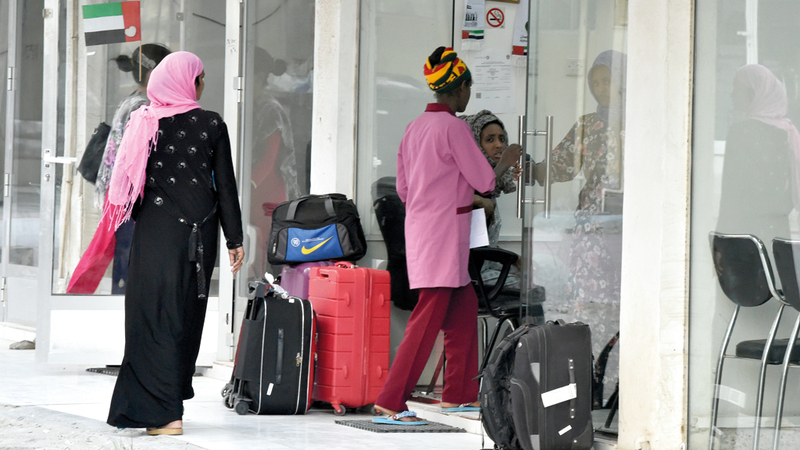
Indian women migrant workers in the Middle East and North Africa (MENA) region are expected to reach 6 million in 2-3 years. Due to the loosening of labour restrictions regarding women in the region, for example, the removal of restrictions on work during night hours, there has already been a 23% growth in demand for[…]
17
Apr
Apr
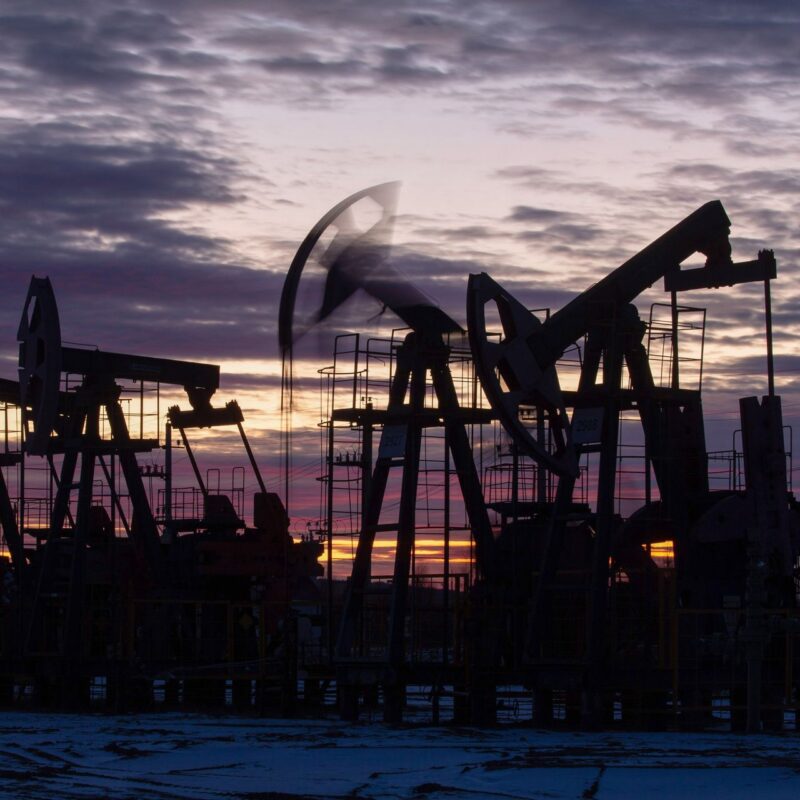
Seventy-six million metric tons of oil reserves are located in the Arab Gulf, constituting around 66% of the global reserves. Oil represents a prominent source of income in the Middle East, proven by the increased production during the last decades. From 1980, oil production passed from 11 million barrels per day to 18 million. The[…]
06
Mar
Mar
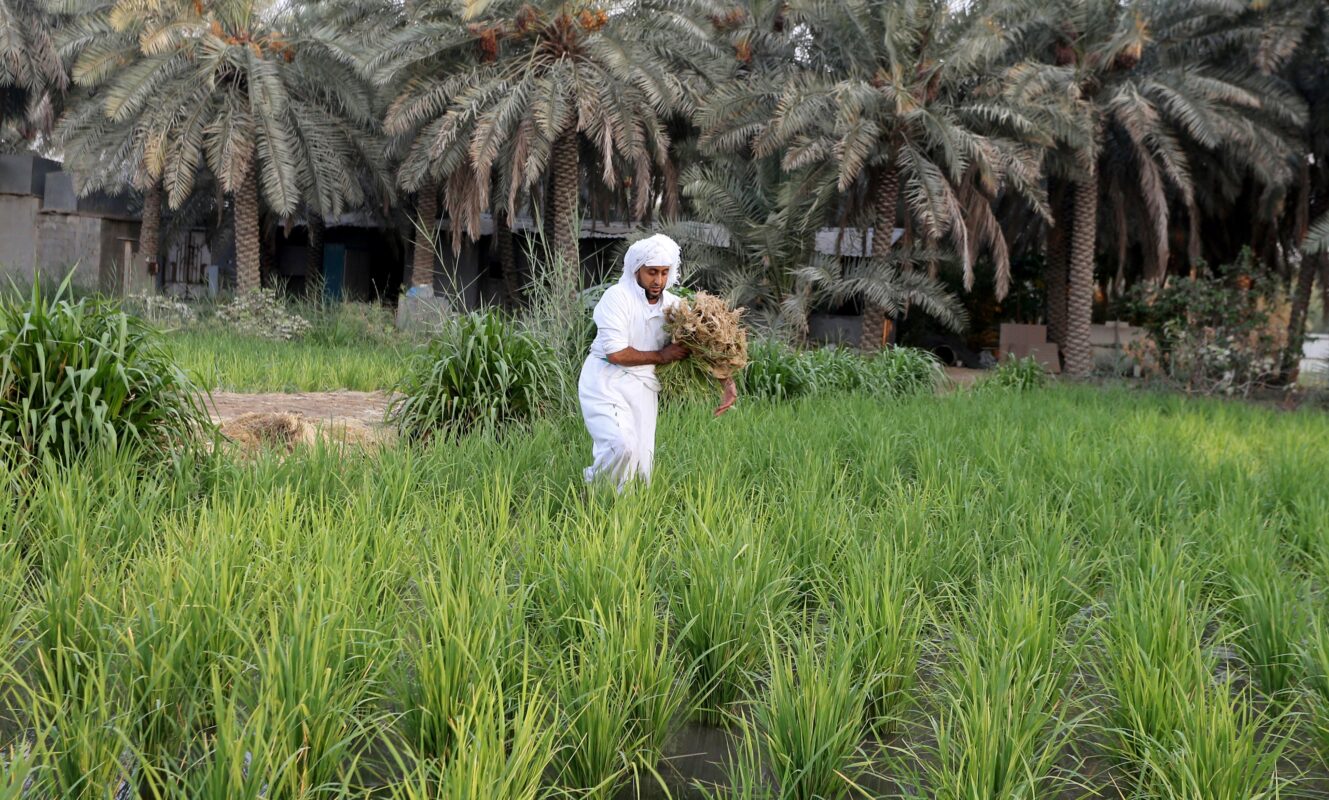
Food security is described by the FAO (Food and Agriculture Organization) as ‘’ all people, at all times, have physical and economic access to sufficient, safe and nutritious food to meet their dietary needs and food preferences for an active and healthy life”. In addition, food security is structured in four pillars, namely: 1) Availability[…]

07
Feb
Feb
Globally, the impact of climate-induced back draws and, ultimately, migrations can be witnessed extensively. This phenomenon is less prevalent in the Gulf Cooperation Council (GCC). However, the recent statistics on climate change and the allocation of investments in natural resources in the Gulf can revert the trend. According to the Middle East Institute (MEI), the[…]
01
Dec
Dec
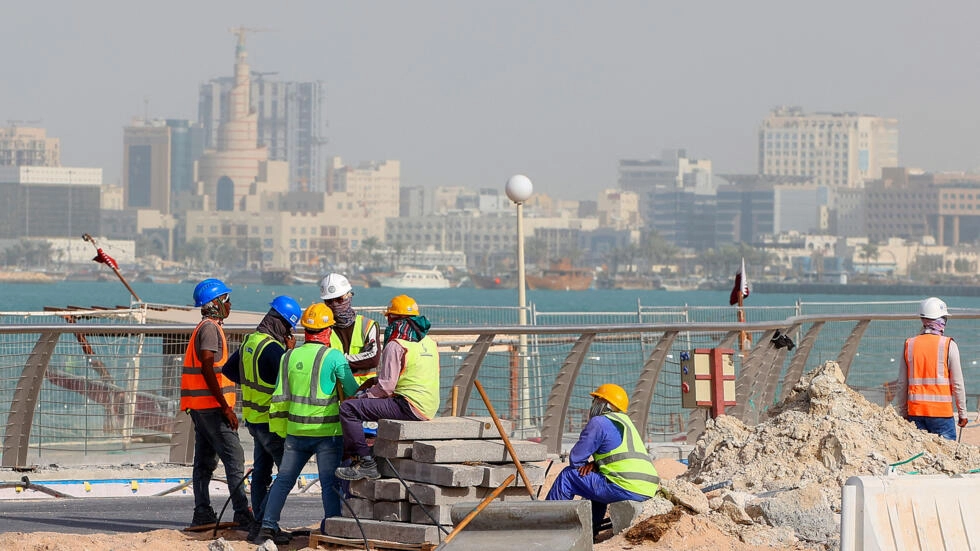
Last month, FIFA announced that Saudi Arabia will host the next 2034 World Cup. Their announcement highlights unsolved issues from the 2022 Qatar edition. FIFA and Qatar did not uphold the respect of migrant workers’ rights involved in building the necessary infrastructures for the most important football competition. This negligence convinced different members of the[…]