

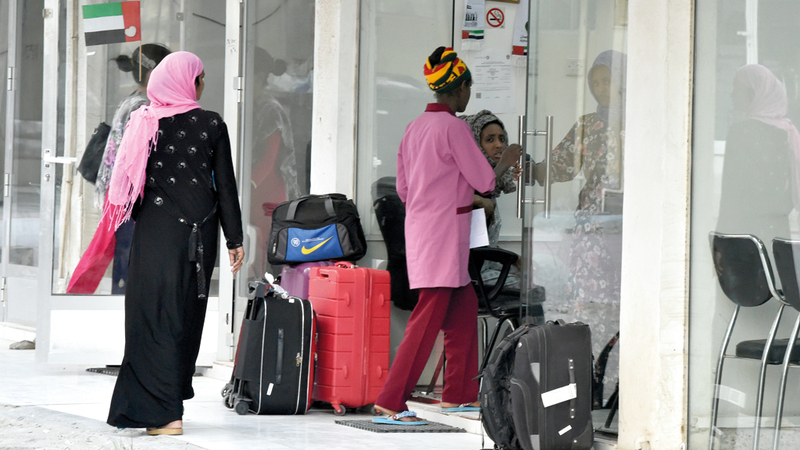
Indian women migrant workers in the Middle East and North Africa (MENA) region are expected to reach 6 million in 2-3 years. Due to the loosening of labour restrictions regarding women in the region, for example, the removal of restrictions on work during night hours, there has already been a 23% growth in demand for[…]
15
May
May
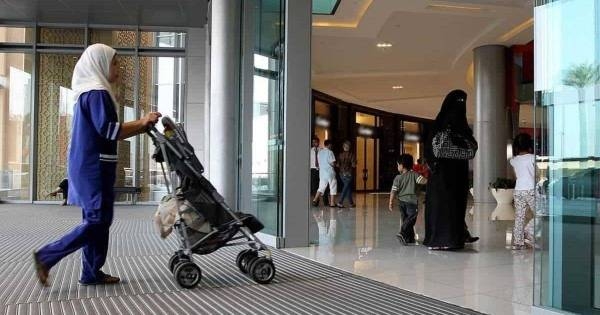
Saudi Arabia faces complexities of informal domestic work, a sector marked by vulnerabilities and abuses. Despite some efforts towards regulation, the issue of domestic workers in the kingdom remains a pressing concern. While Decision No. 310/1434 of 2013 extended certain protections to this marginalized workforce, significant gaps persisted, leaving workers exposed to exploitation. Under the[…]

16
Jul
Jul
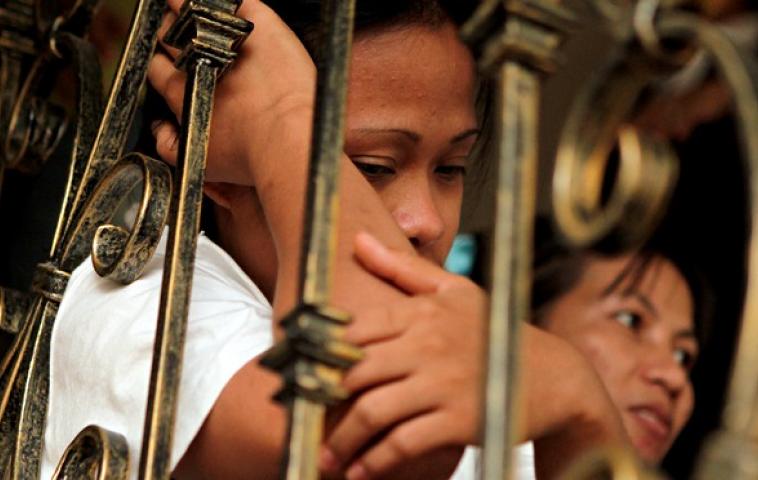
On 14 July 2016, the Kuwaiti government set a minimum wage for the over 660,000 domestic workers within the country. The Ministry of Interior published the notice, which specifies the new minimum wage as 60 Kuwaiti dinar per month. Before the implementation of the minimum wage law, domestic workers in Kuwait earned less than 20[…]
20
Jun
Jun
On June 20, ADHRB associate Amanda Milani delivered an oral intervention at the 32nd session of the United Nations Human Rights Council in Geneva under Item 3. Please continue reading for full remarks or click here to download a PDF. Madam Rapporteur, Americans for Democracy & Human Rights in Bahrain, together with the Bahrain Institute for Rights[…]
19
Jun
Jun
In February, Somalia announced plans to send an estimated 50,000 workers yearly to the Kingdom of Saudi Arabia. Currently, this plan is awaiting approval from both countries. Recently, Somalia announced that it would send between 600 and 1,000 domestic workers to the kingdom just ahead of the start of the month of Ramadan. Migrant workers[…]
- 1
- 2