

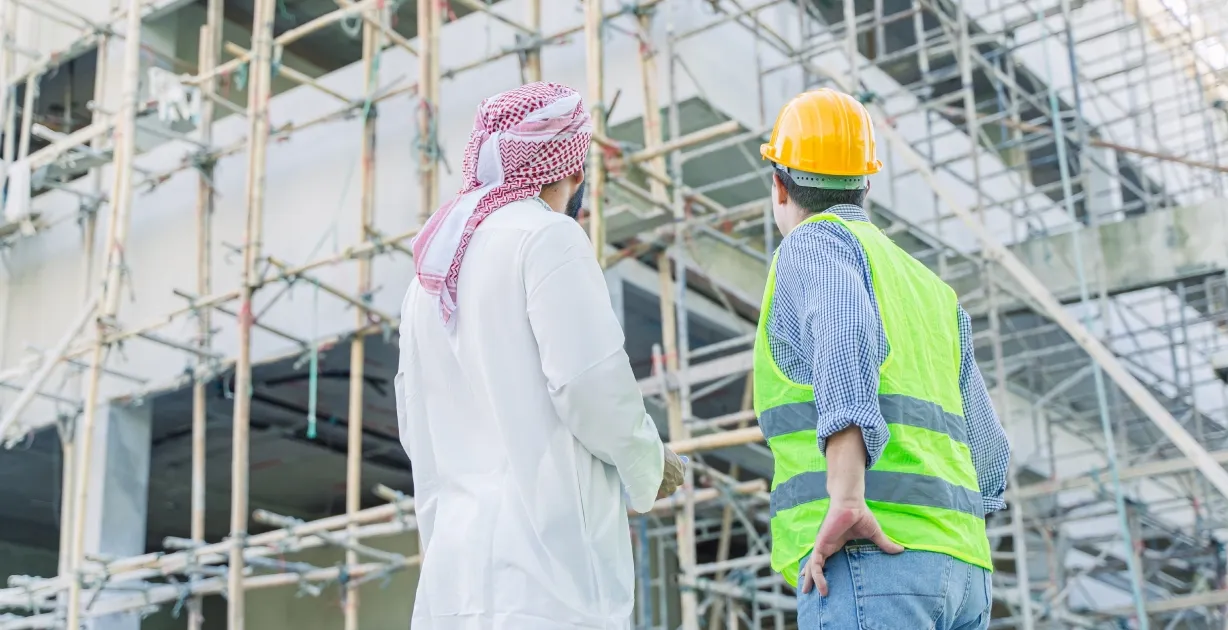
The recent forced labor complaint against the Saudi Arabian government by the Building and Wood Workers’ International Union (BWI) underscores significant concerns about the treatment of migrant workers under the country’s Vision 2030 plan. This action by the BWI, representing 12 million members, serves as a stark warning to Saudi authorities, businesses, and investors about[…]
29
May
May
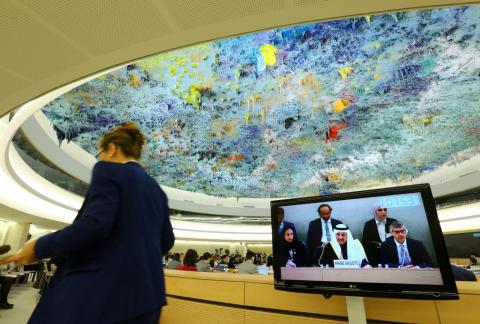
Saudi Arabia’s human rights record continues to be deeply concerning. This report includes the four most alarming points at present in Saudi Arabia; including the killing of migrants, repression of dissidents and systemic discrimination against women. The following sectors covered by this report violate international Human Rights standards and demand urgent attention. Criminal Justice, Arbitrary[…]
27
May
May
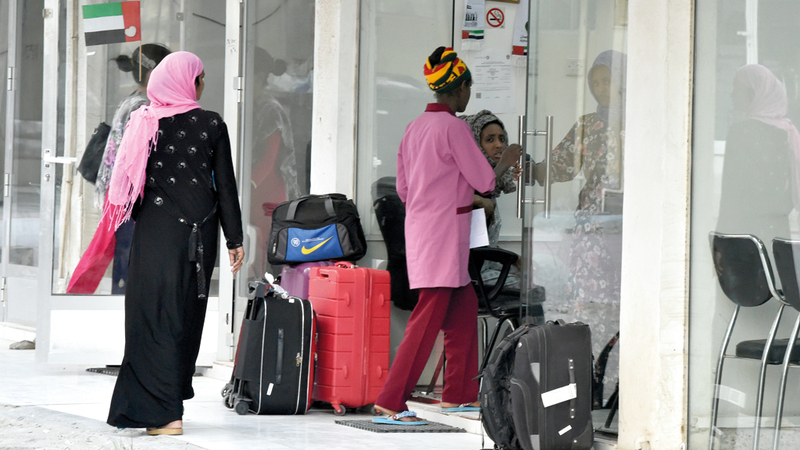
Summary The United Arab Emirates is the country with the highest proportion of international migrants in the world. Labour migration in the kingdom is governed by a restrictive and abusive system, named kafala, that causes numerous and well-documented abuses. This briefing paper contextualizes the kafala system in the Gulf Cooperation Council (GCC) countries and the[…]
17
May
May
Indian women migrant workers in the Middle East and North Africa (MENA) region are expected to reach 6 million in 2-3 years. Due to the loosening of labour restrictions regarding women in the region, for example, the removal of restrictions on work during night hours, there has already been a 23% growth in demand for[…]
07
May
May
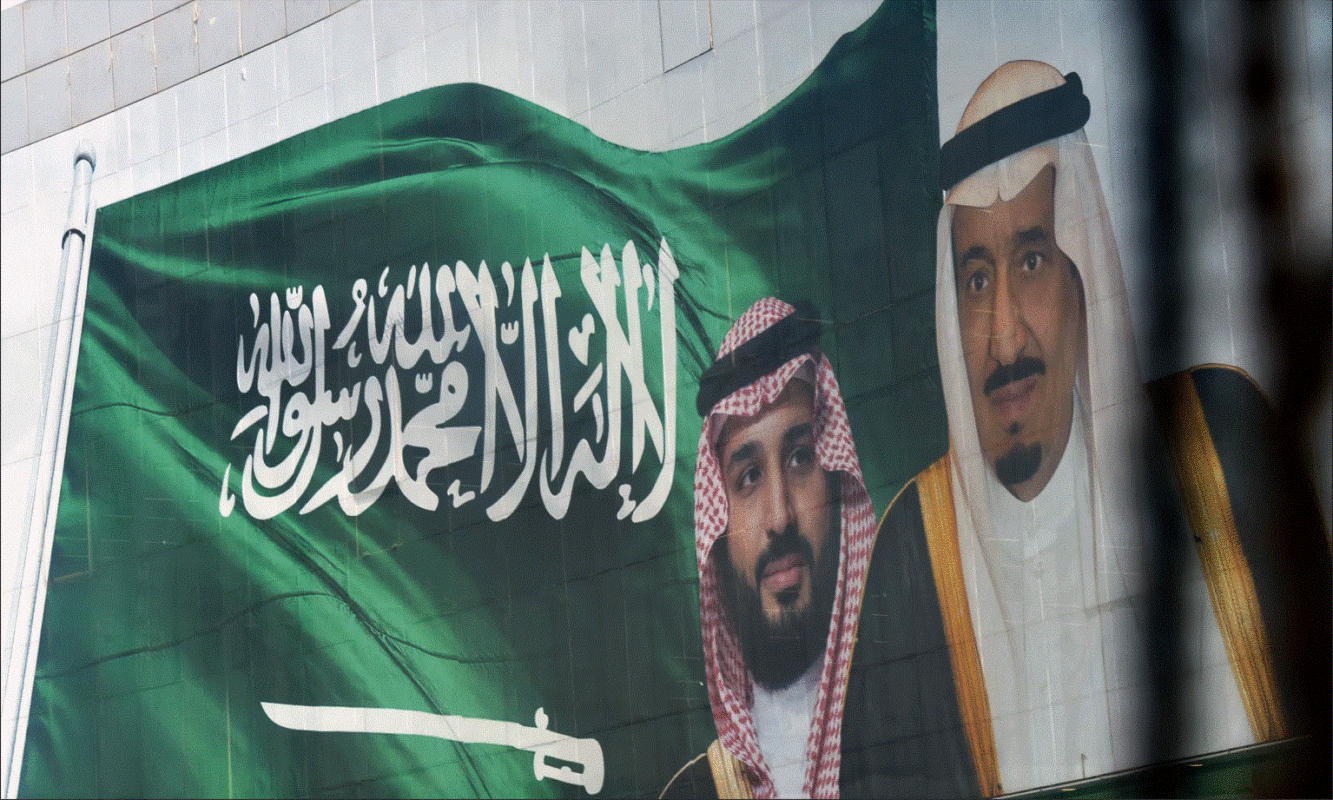
Last week, the EU announced a relaxation of Schengen visa rules for the citizens of Saudi Arabia. No human rights compromises were made in exchange. Since democracy constitutes the best umbrella under which human rights can thrive, the next question follows: What is the current state of democracy in Saudi Arabia? In its new report[…]