

The Kuwaiti government ran an amnesty scheme for “illegal immigrants” from 17 March 2024 to 30 June 2024, which was extended from the initial deadline of 17 June. This grace period was intended to give those illegally in the country the time to either pay the penalties and regularize their status or leave the country[…]

19
Jul
Jul
The United Arab Emirates (UAE) has emerged as a significant player on the African continent, leveraging its economic and strategic initiatives to deepen its influence, involving investments in infrastructure, ports, and telecommunications, alongside military engagements and political alliances. However, UAE’s presence is not without controversy, particularly regarding allegations of neo-colonialism and human rights abuses, which[…]
16
Jul
Jul
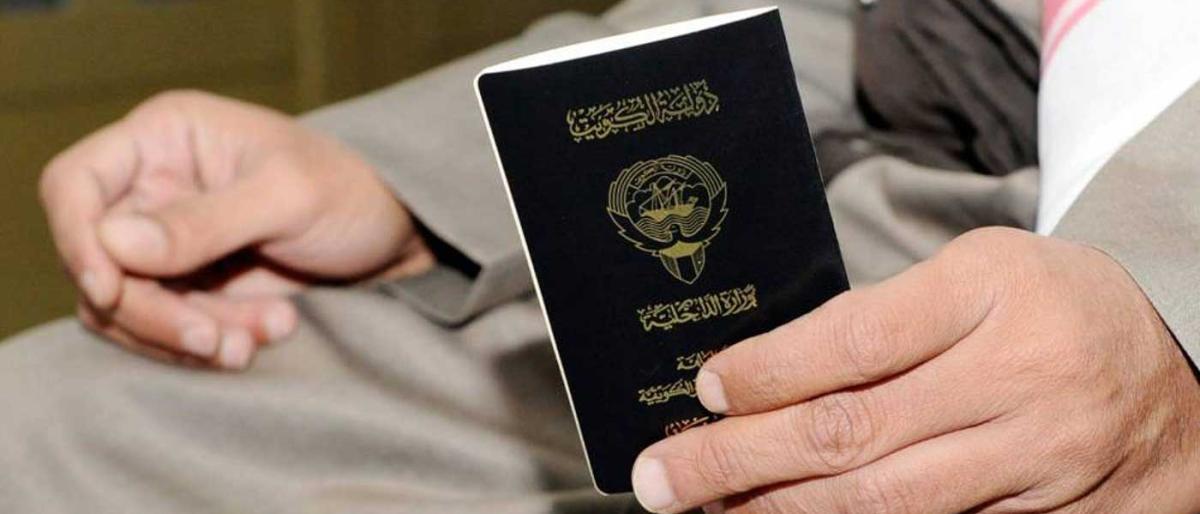
The right to nationality is a human right that cannot be disputed. Despite this, Kuwait uses punitive citizenship revocations as a tool for repression. The 1959 Kuwaiti Nationality Law broadly legislates that the state has discretionary powers to withdraw citizenship. This law has been used to arbitrarily revoke the citizenships of dissidents and ethnic minorities[…]

12
Jul
Jul
The United Arab Emirates (UAE) has recently launched an extensive campaign to silence opposition, marked by a stark disregard for justice and human rights. This crackdown includes a series of arrests, summonses, and deportations targeting individuals who criticize Israel’s actions in Gaza, blatantly violating the right to freedom of speech. This disturbing trend continues the[…]

21
Jun
Jun
The ongoing civil war in Sudan, characterised by relentless violence and humanitarian crises, has been significantly exacerbated by the covert intervention of the United Arab Emirates (UAE). Operating under the pretext of humanitarian aid for refugees, the UAE has been secretly supporting one faction in the conflict. This includes providing advanced weaponry and drones, intensifying[…]