

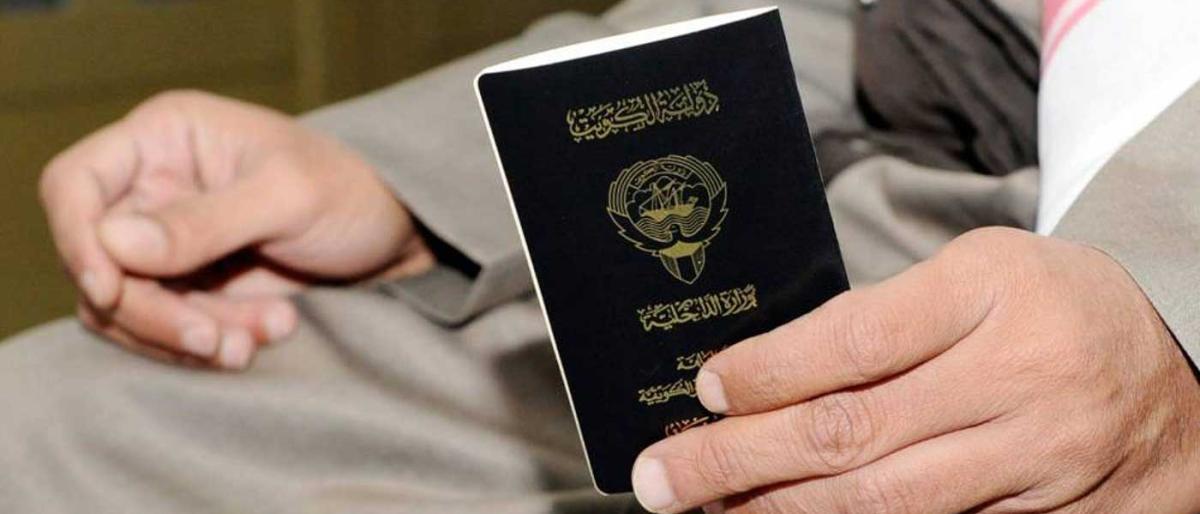
The Kuwaiti government ran an amnesty scheme for “illegal immigrants” from 17 March 2024 to 30 June 2024, which was extended from the initial deadline of 17 June. This grace period was intended to give those illegally in the country the time to either pay the penalties and regularize their status or leave the country[…]
16
Jul
Jul
The right to nationality is a human right that cannot be disputed. Despite this, Kuwait uses punitive citizenship revocations as a tool for repression. The 1959 Kuwaiti Nationality Law broadly legislates that the state has discretionary powers to withdraw citizenship. This law has been used to arbitrarily revoke the citizenships of dissidents and ethnic minorities[…]
14
Jun
Jun
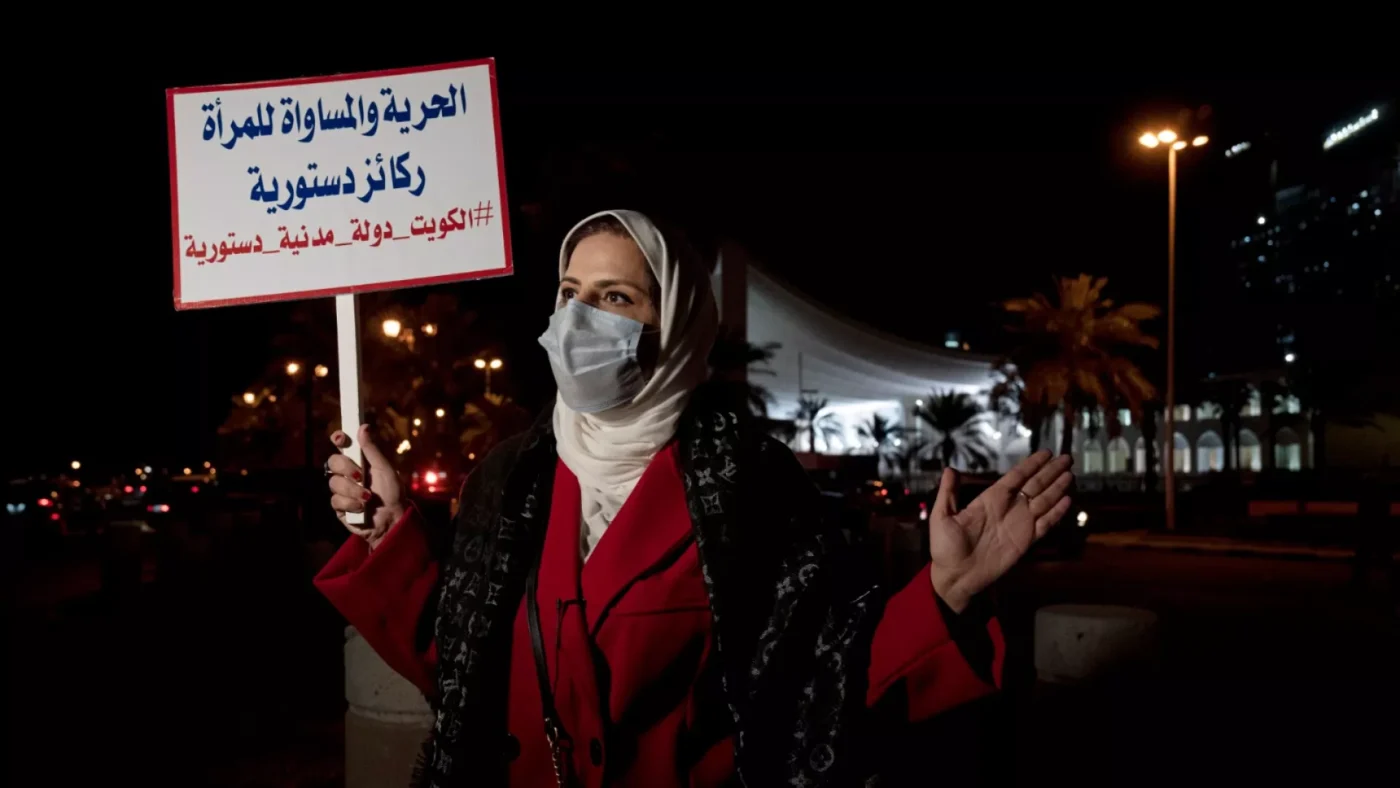
The women’s rights situation in Kuwait is similar to that of other Gulf Cooperation Council (GCC) countries, where the male guardianship system limits women’s autonomy to make decisions about their lives. Discrimination against women in Kuwait is well reflected in the country’s two personal status laws (PSLs) codified in 1984 and 2019. Laws that regulate[…]
04
Jun
Jun
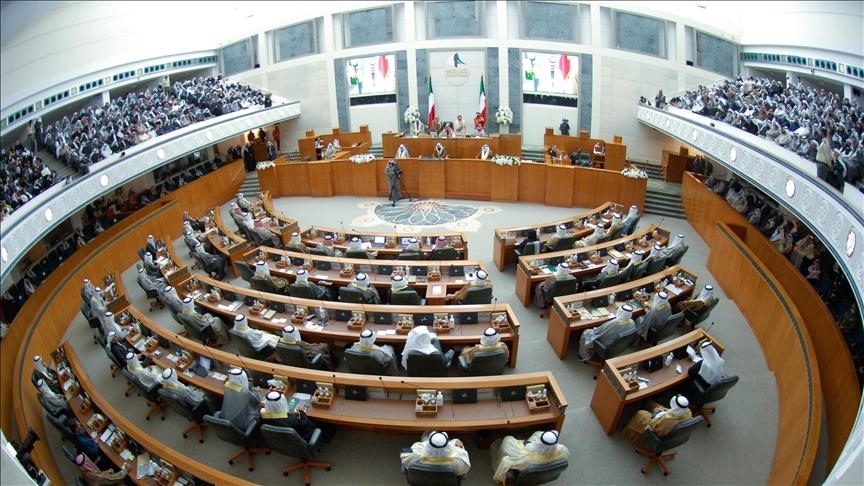
Kuwait has been known to be the most democratic country in the Middle East. Article 6 of its constitution states that the “system of government shall be democratic, under which sovereignty resides with the people”. However, in the last decade, there have been several dissolutions of the parliament, which have led to numerous elections. Since[…]
20
May
May
Bedoon, meaning “without nationality” in Arabic, is a stateless Arab minority in Kuwait who were not granted citizenship at the time of the country’s independence or shortly thereafter. The government currently labels Bedoon as “illegal residents,” despite many having no tangible connections to any country other than Kuwait, and notwithstanding decades of social discourse depicting[…]