

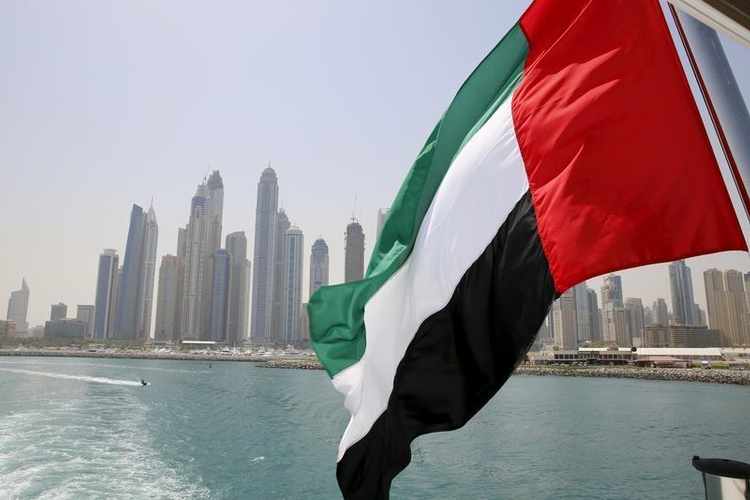
Impunity in the United Arab Emirates (UAE) is endemic, thanks to a pervasive culture of dispensation in the upper echelons of government. The UAE can be described as an autocratic police state, with widespread censorship laws and high surveillance. The ambiguity of its laws allows the leadership to easily justify the quashing of dissent or[…]
30
Mar
Mar
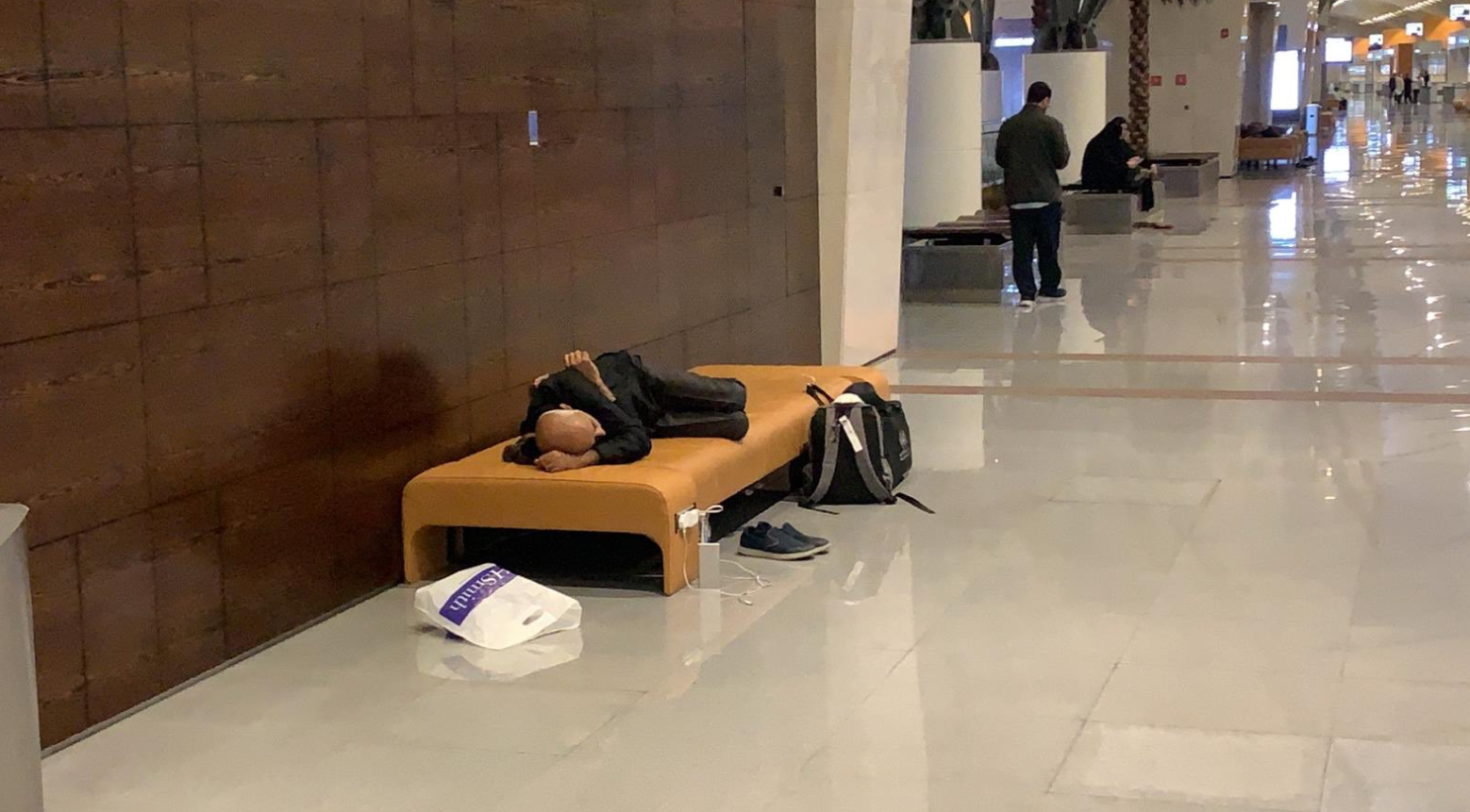
30 March 2020 – At least six of the more than 1500 Bahrainis thought to be trapped in Iran have died since the beginning of March, as Bahrain’s government faces rising criticism for repeated failed attempts to bring home citizens stranded by disruptions to air travel caused by Coronavirus. Bahrain has no diplomatic relationship with[…]
25
Feb
Feb
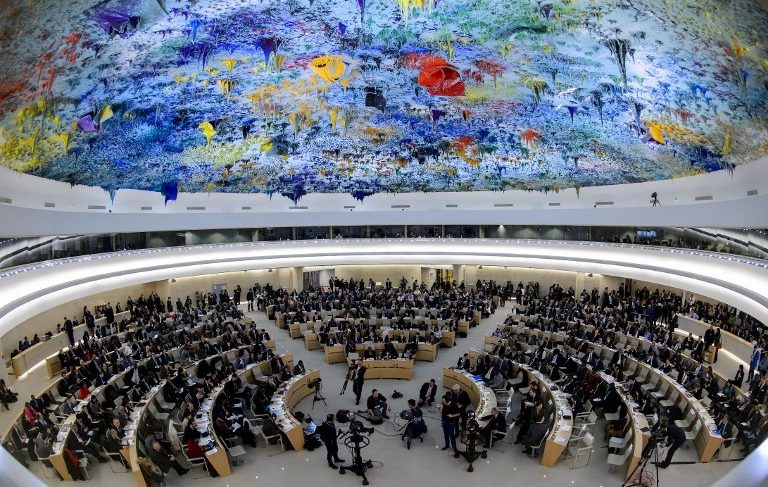
Ahead of the 40th session of the United Nations Human Rights Council, Americans for Democracy & Human Rights in Bahrain submitted a written statement to the Council raising serious concern over the targeting of Human Rights Defenders in Gulf Cooperation Council countries. Continue reading for the text of the statement or click here for a PDF.[…]
12
Jun
Jun
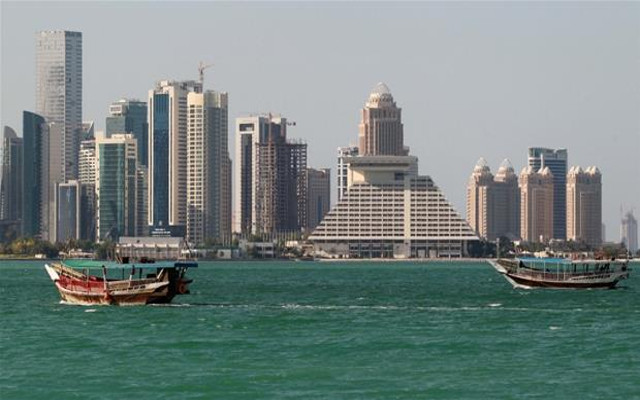
12 June 2017 – A week after a diplomatic row publicly erupted between Qatar and several of its key regional allies – including Bahrain, Saudi Arabia, the United Arab Emirates (UAE), and Egypt – the small emirate remains under effective land, air, and sea blockade. Americans for Democracy & Human Rights in Bahrain (ADHRB) is[…]
16
Dec
Dec
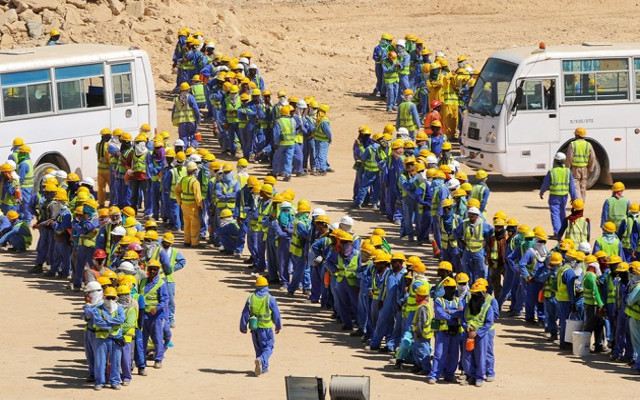
16 December 2016 – A new sponsorship law in Qatar fails to reform the kafala system and Americans for Democracy & Human Rights in Bahrain (ADHRB) finds that these failed reforms continue to leave migrant workers vulnerable to abuse. On 13 December 2016, a new law governing the sponsorship of migrant workers in Qatar came[…]