

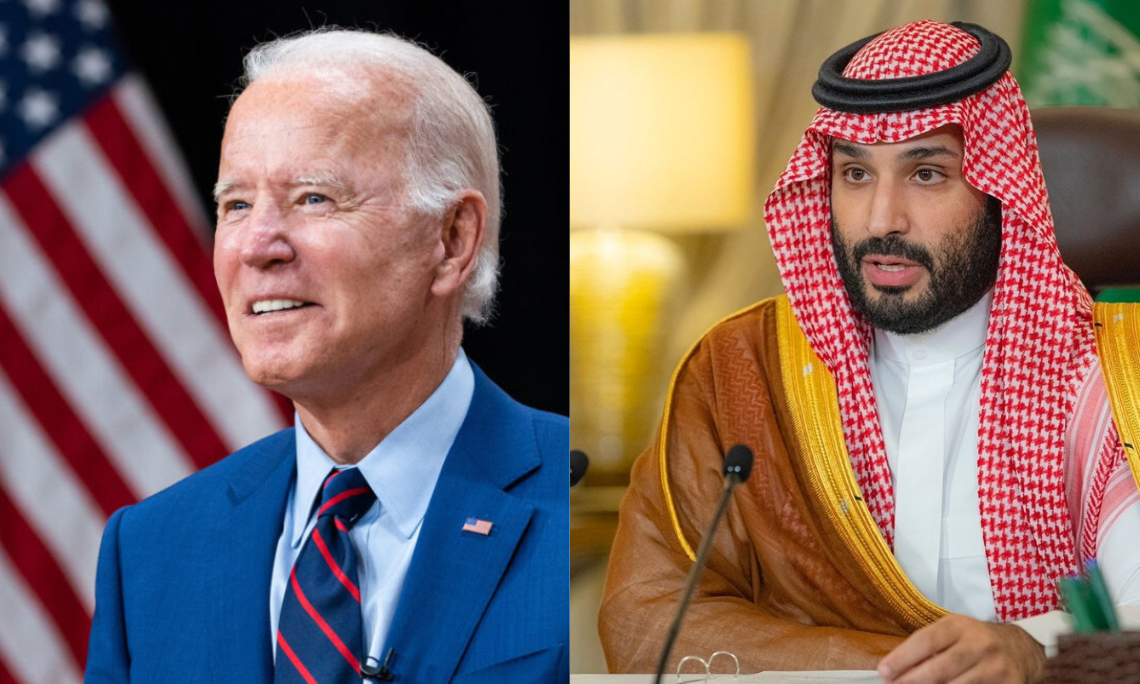
Read anything said about democracy and America by President Kennedy and President Reagan; read anything about Saudi Arabia’s bloody record of its repression of democracy and human rights; then try not to feel embarrassed and angry by the news that the President of the United States is travelling to Saudi Arabia to kiss the ring[…]
24
May
May
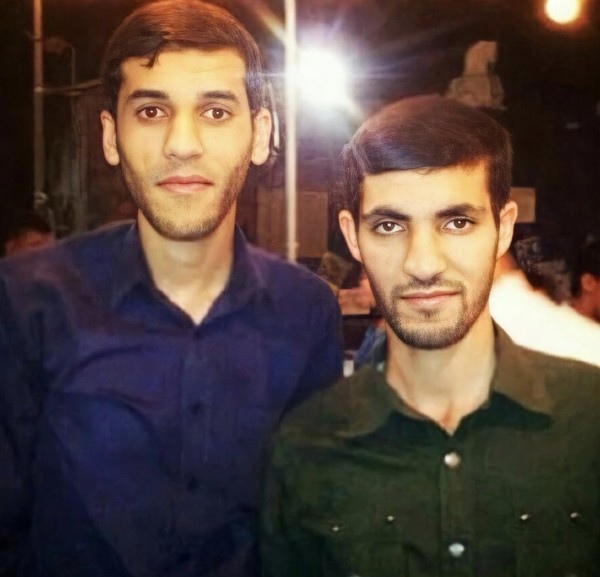
Americans for Democracy and Human Rights in Bahrain (ADHRB) calls on the King of Saudi Arabia to halt the imminent execution of Bahraini citizens, Jaafar Mohamed Sultan and Sadeq Majeed Thamer, whose death sentences were upheld by the Saudi Supreme Court on 6 April 2022, by annulling their sentences. They have exhausted all legal remedies,[…]

23
May
May
Introduction In October of last year, NSO Group, a leading Israeli technology company, announced that it would be terminating its contract with the United Arab Emirates. This decision was taken after it was revealed in the UK High Court that Sheikh Mohammed Bin Rashid Al Maktoum, ruler of Dubai, was using the company’s Pegasus software[…]
16
May
May
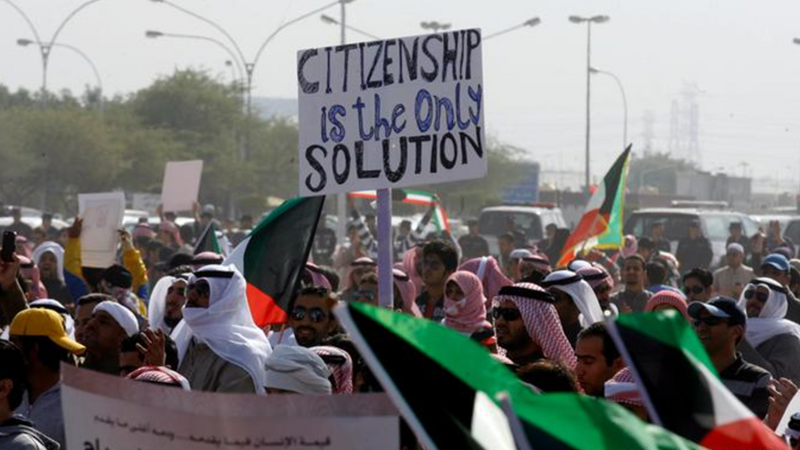
Background Kuwait gained independence in 1961, ceasing to be a British protectorate anymore. Upon this development, one-third of the population was given nationality on the basis of being ‘founding fathers’ while another third were naturalized as citizens. The remaining people were designated as bidoon jinsiya which when translated from Arabic means ‘without nationality’. According to[…]
12
Apr
Apr
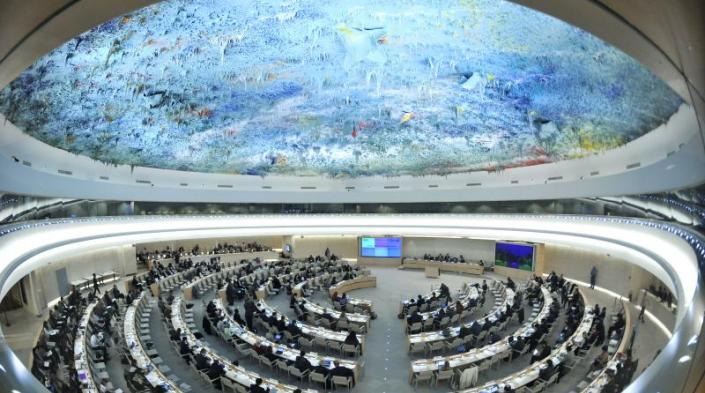
In light of the COVID-19 pandemic, the 46th Session of the United Nations Human Rights Council (UNHRC) was held virtually between 22 February and 23 March 2021. Americans for Democracy & Human Rights in Bahrain (ADHRB) welcomed the 46th session as an opportunity to draw attention to the deteriorating human rights condition in Bahrain and[…]