

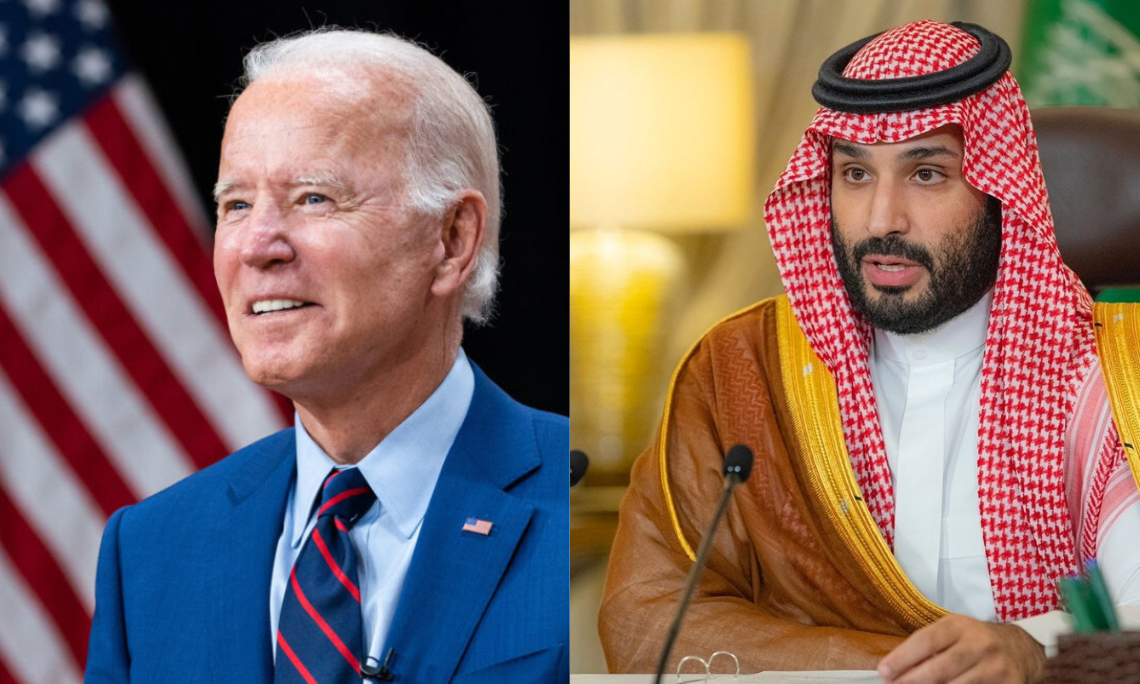
Read anything said about democracy and America by President Kennedy and President Reagan; read anything about Saudi Arabia’s bloody record of its repression of democracy and human rights; then try not to feel embarrassed and angry by the news that the President of the United States is travelling to Saudi Arabia to kiss the ring[…]
24
May
May
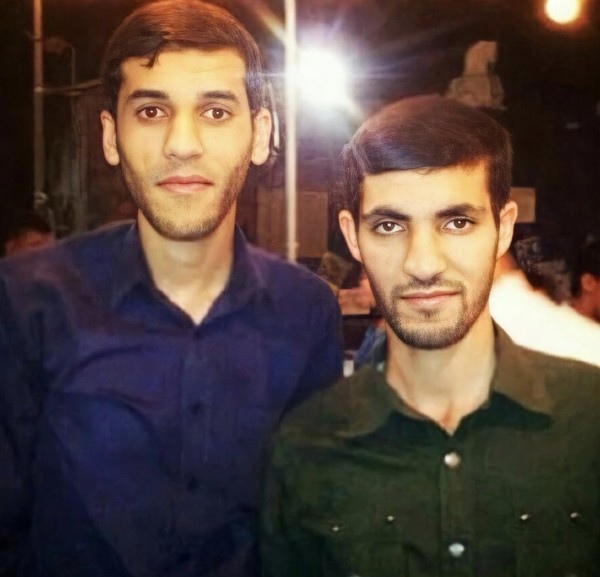
Americans for Democracy and Human Rights in Bahrain (ADHRB) calls on the King of Saudi Arabia to halt the imminent execution of Bahraini citizens, Jaafar Mohamed Sultan and Sadeq Majeed Thamer, whose death sentences were upheld by the Saudi Supreme Court on 6 April 2022, by annulling their sentences. They have exhausted all legal remedies,[…]
09
Sep
Sep
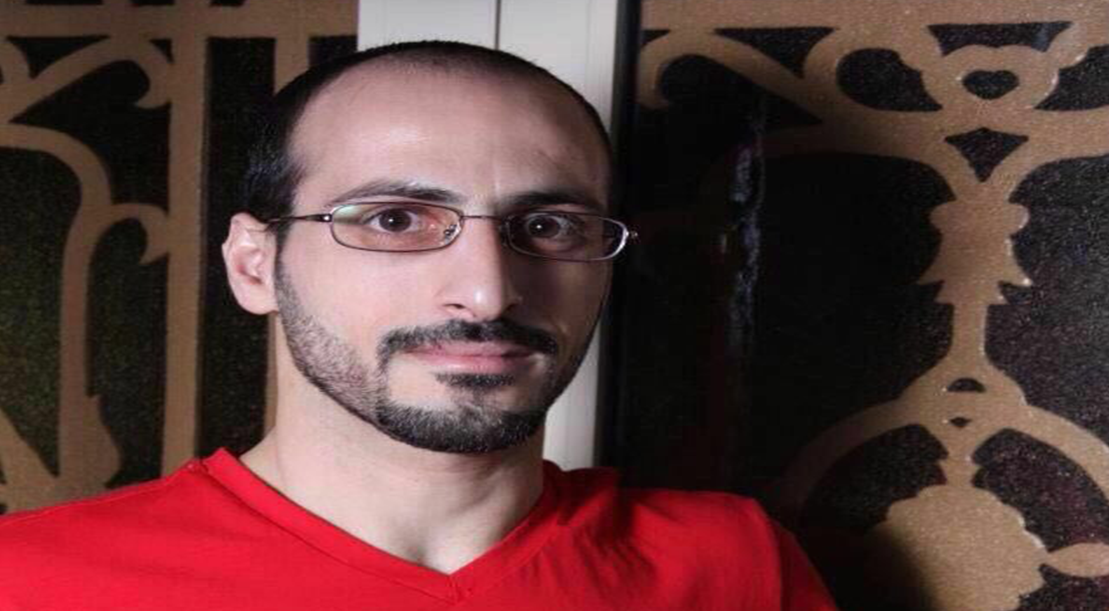
Muhammad Bin Alawi Bin Jaafar AlShakhoori, a 34-year-old Saudi activist in the 2011 democratic movement in Qatif, was arrested without a warrant in 2017 at a checkpoint. He was then forcibly disappeared and tortured, and forced to sign a confession, which resulted in chronic pains and injuries. Muhammad was sentenced on various charges and sent[…]
12
Apr
Apr
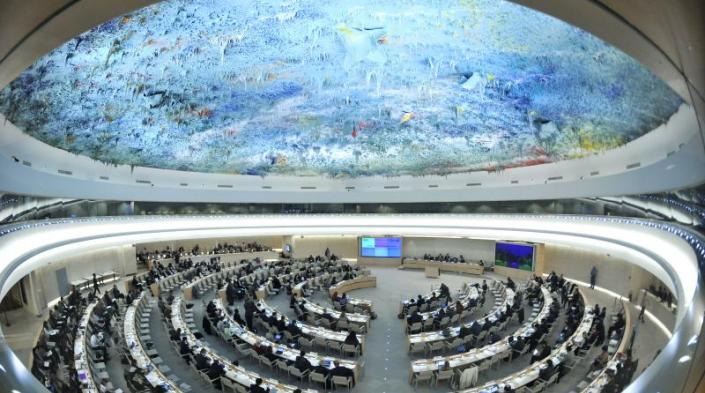
In light of the COVID-19 pandemic, the 46th Session of the United Nations Human Rights Council (UNHRC) was held virtually between 22 February and 23 March 2021. Americans for Democracy & Human Rights in Bahrain (ADHRB) welcomed the 46th session as an opportunity to draw attention to the deteriorating human rights condition in Bahrain and[…]
16
Mar
Mar
On 16 March, ADHRB has delivered an oral intervention at the United Nation Human Rights Council session 46 during interactive debate under item 4. Madam President- We would like to bring to the council’s attention the growing trend of culture of impunity among government officials in the Gulf Cooperation Council Countries. In Saudi Arabia, the[…]