

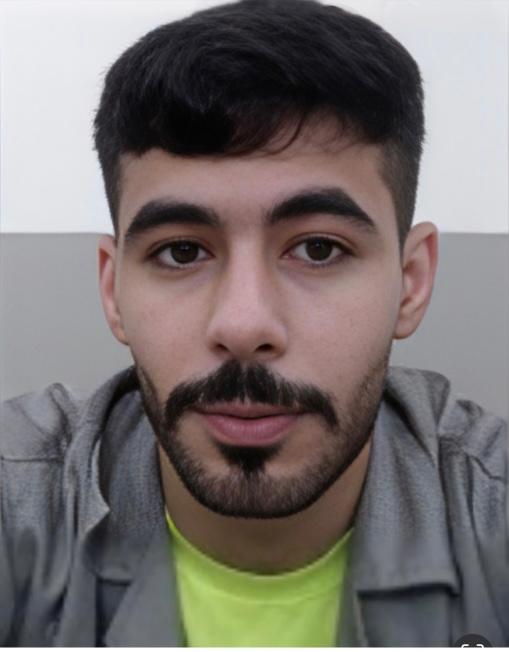
Ahmed Abdulla AlAjaimi, a 21-year-old Bahraini young man from Karranah City and a first-year student at Ahlia University, was arbitrarily arrested in 2017. He was subjected to torture, enforced disappearance, and insults based on religion. He is currently held in Jau Prison after being sentenced in 2018 to seven years imprisonment in an unfair trial.[…]
30
Oct
Oct
On 17 September 2023, approximately 28 young Bahraini detainees in the Dry Dock Detention Center began a new hunger strike in protest against the continued violations committed against them by the prison administration, and the neglect of the relevant state institutions to carry out their duties, notably the National Institution for Human Rights, and the[…]
19
Oct
Oct
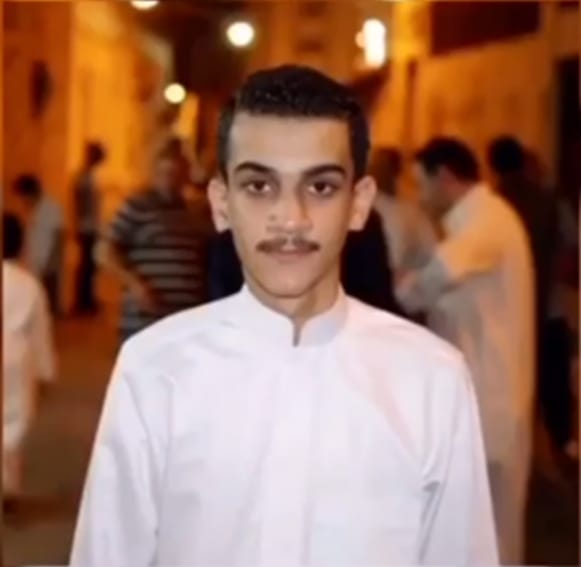
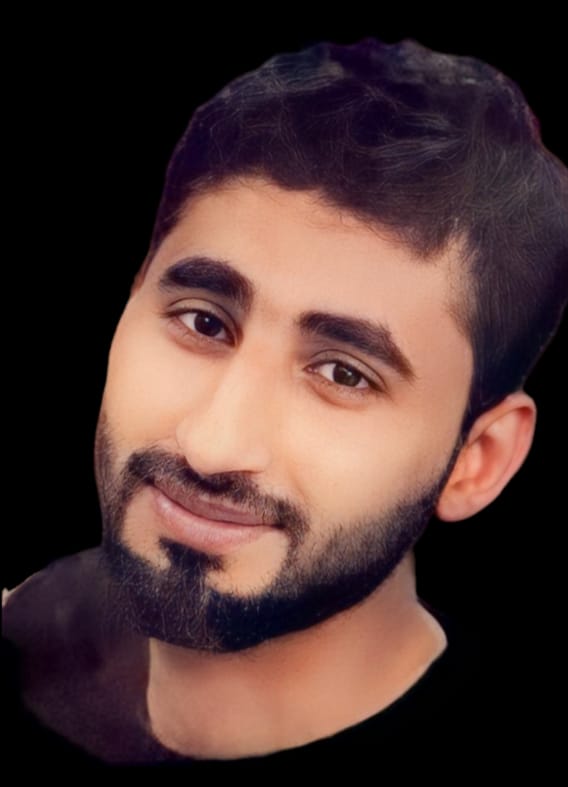
Updated: In 2019, Mohamed Ali Adel Maki, a 15-year-old Bahraini student, was arbitrarily arrested without an arrest warrant. During his repeated arrests, Mohamed Ali has faced multiple human rights violations during his detention, including torture, enforced disappearance, and unfair trial. He has been accused of multiple charges and is currently serving his sentence in the[…]
12
Oct
Oct
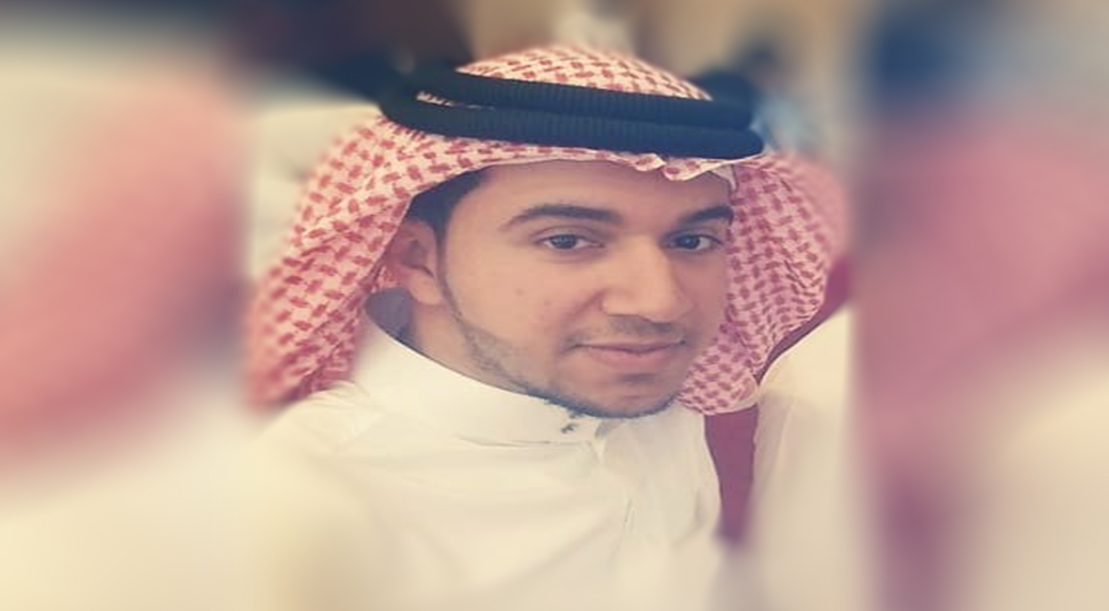
Sayed Qasim Jalil Ali Abdullah is a young Bahraini from the village of Al-Dair in the city of Muharraq. He was 20 years old when he was arrested without judicial arrest warrant in 2018. He faced multiple human rights violations, including torture, enforced disappearance, and unfair mass trial. He was falsely charged with joining the[…]
05
Oct
Oct
Updated: Saeed Abdulla Alaali was arbitrarily arrested by Bahraini authorities on his 25th birthday, 21 September 2016. During his detention, he was subjected to several human rights violations and he is currently detained in Jau Prison. On 7 August 2023, Saeed joined the largest hunger strike in Bahrain’s prisons, in which approximately 800 political detainees[…]