

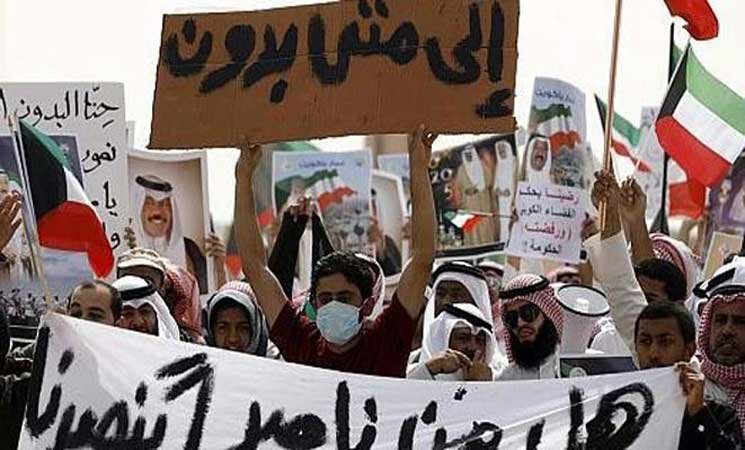
On 24 June, ADHRB has delivered an oral intervention at the United Nation Human Rights Council session 47 during interactive debate with Special Rapporteur on the right to adequate housing. Mr. Rapporteur, We would like to bring to your attention the situation of the Bidoon, a stateless community living in Kuwait. The Bidoon represent one[…]
17
Feb
Feb
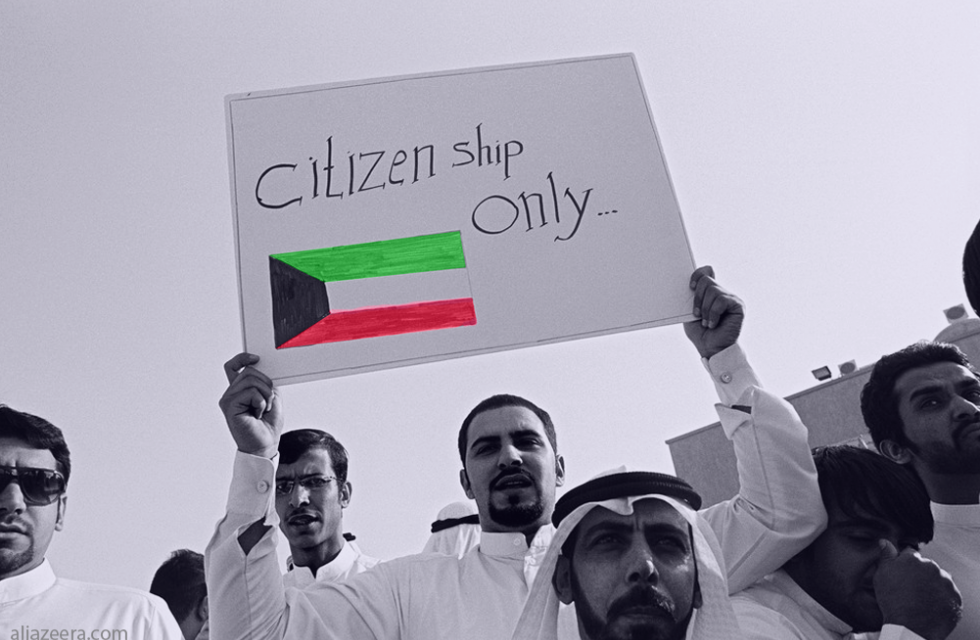
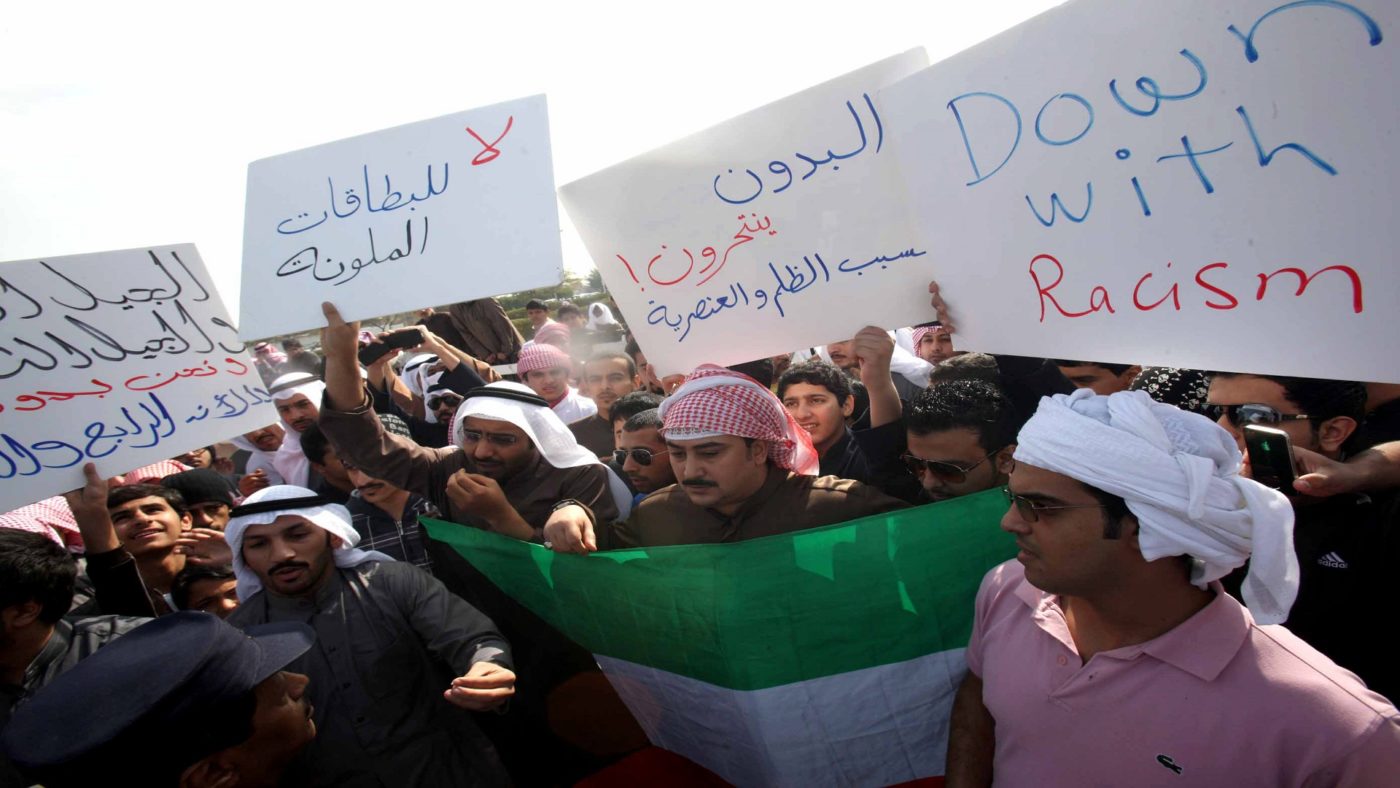
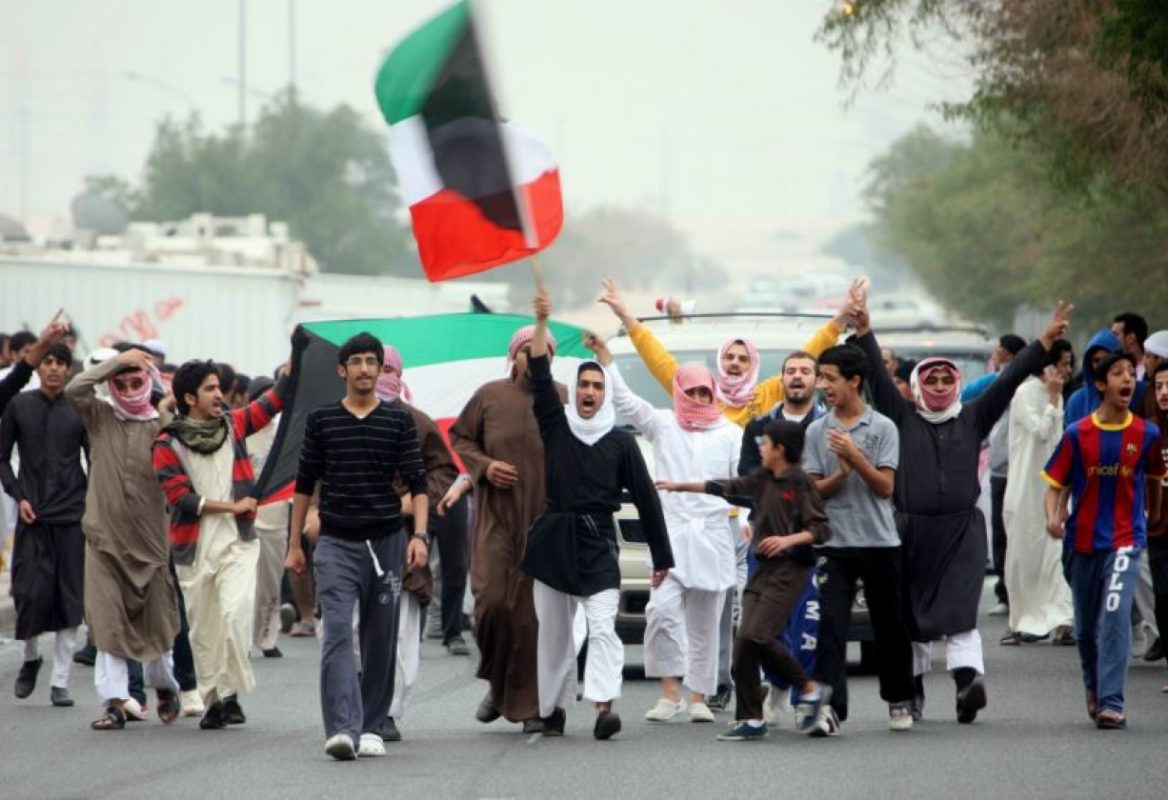
The Government of Kuwait must cease human rights violations against its own Bidoon population. Since Kuwait gained independence in 1961, the government has perpetrated a continuous system of institutionalized discrimination, repression, and degrading treatment against the Bidoon, a stateless minority. These acts violate fundamental human rights of the Bidoon, as well as international law obligations[…]
10
Aug
Aug
Stateless individuals, human rights defenders and government critics are routinely subjected to torture and cruel, inhuman or degrading treatment within the country of Kuwait. This is despite Kuwait being party to the United Nations Convention Against Torture (CAT) which stipulates prohibitions on such actions and strictly requires state parties to implement effective legislative, administrative, judicial[…]
03
Aug
Aug
Americaans for Democracy & Human Rights in Bahrain (ADHRB) submitted the following written statement for the record during the 44th session of the Human Rights Council in Geneva. The statements addressed migrant workers’ rights violations in Kuwait. Migrant Workers’ Rights Violations in Kuwait, please click here to view the full statement
20
Jul
Jul
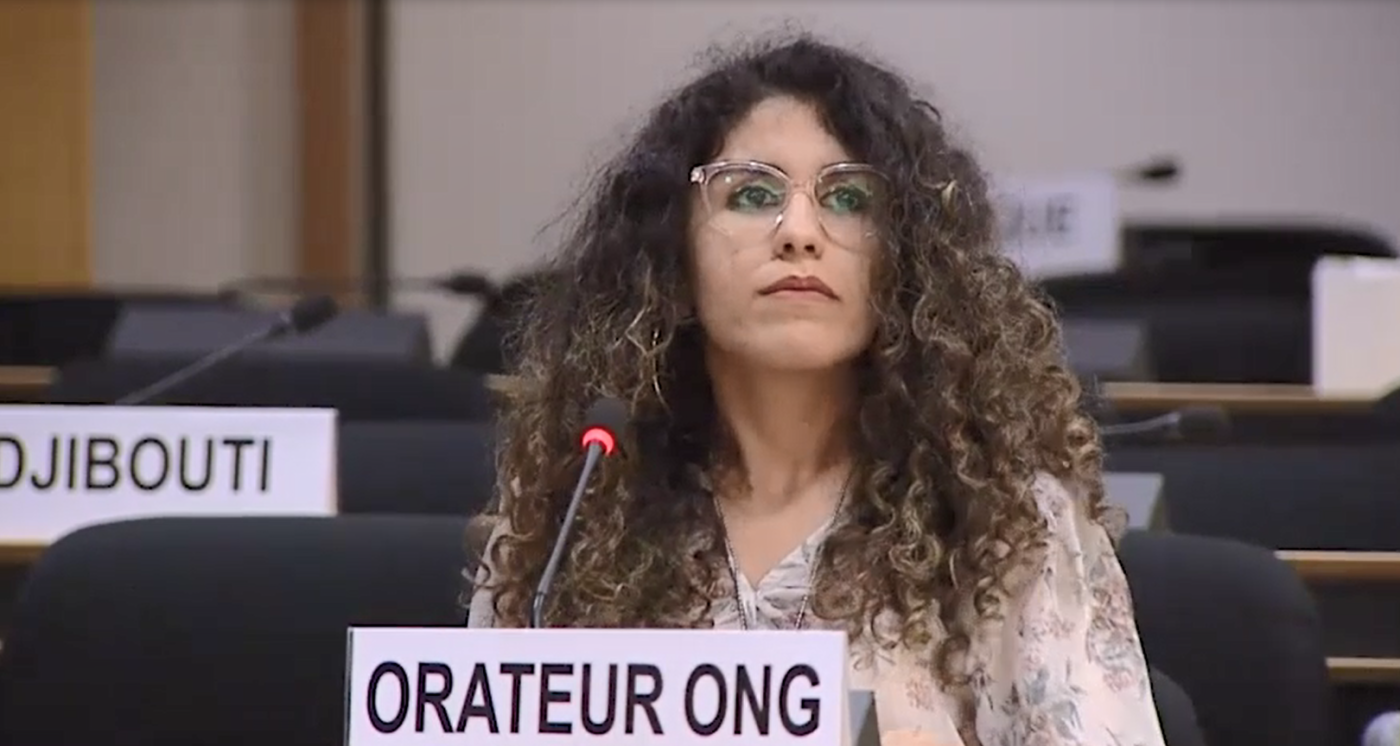
On 17 July 2020, ADHRB has delivered an oral intervention at the United Nation Human Rights Council session 44 during Kuwait UPR. Madam President We begin by welcoming the Kuwaiti delegation with the hope to see them implementing the accepted recommendations. The Kuwaiti government continues the use of its provisions in constitutions, national security[…]