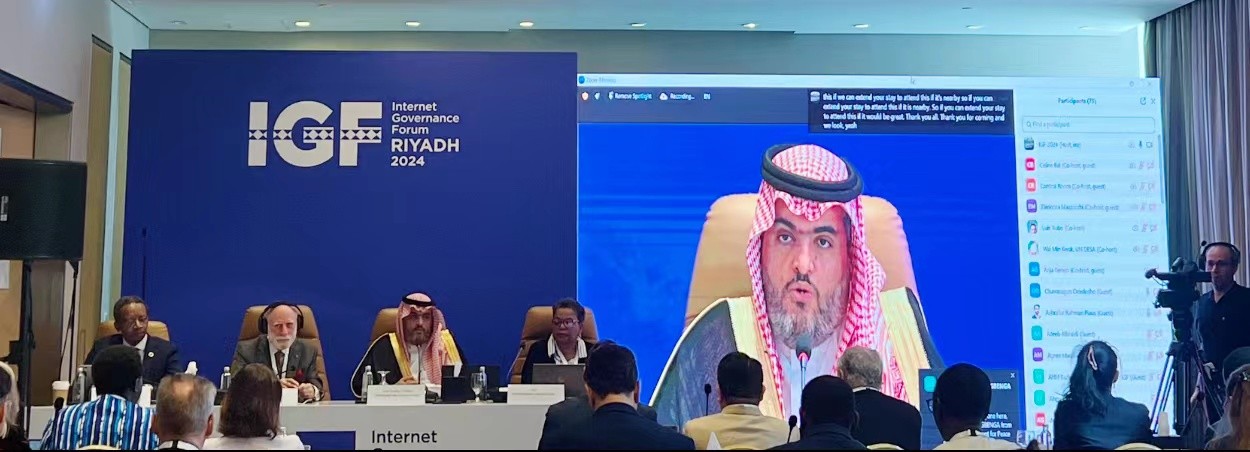
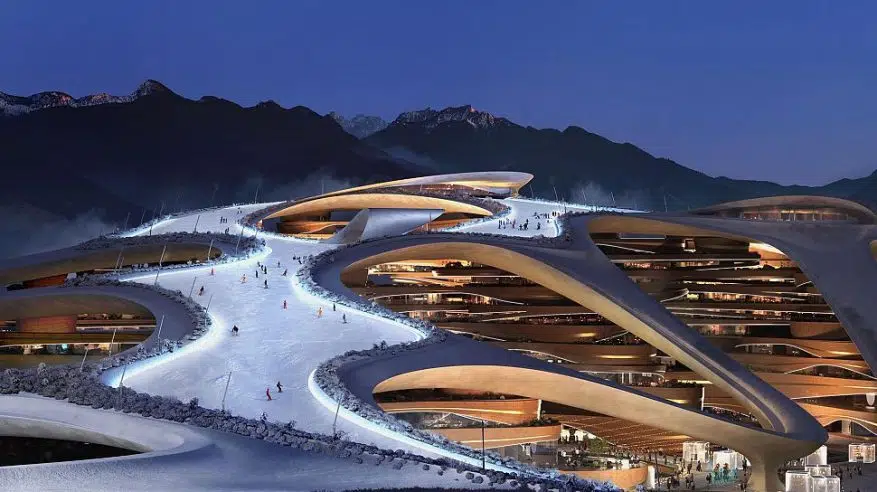
On 17 March 2026, Americans for Democracy & Human Rights in Bahrain (ADHRB) delivered an intervention during the 61st session of the United Nations Human Rights Council, under the General Debate of Item 4. The organization highlighted the serious human rights impacts of major construction projects in Saudi Arabia, including Vision 2030 initiatives such as[…]
On 10 March 2026, non-governmental organizations (NGOs) delivered an intervention during the 61st session of the United Nations Human Rights Council, under the General Debate of Item 3. The organizations highlighted the contradictions between Saudi Arabia’s official discourse on green transition and its climate commitments, and the reality of continued reliance on fossil fuels and[…]
Across Saudi Arabia, large-scale forced evictions and mass demolitions have become a defining feature of the Kingdom’s urban redevelopment agenda. Framed by authorities as necessary modernization under Vision 2030, these projects have displaced hundreds of thousands of residents from working-class neighbourhoods labelled as ‘underdeveloped’. Behind this narrative of progress lies a pattern of coercive displacement,[…]
Saudi Arabia promotes the Saudi Green Initiatives (SGI) as a bold response to climate change, built on reforestation, land rehabilitation, and biodiversity protection. Officials highlight millions of trees planted, hectares restored, and public awareness campaigns. However, behind their green promises lies a troubling reality. Environmental policy in Saudi Arabia has imposed severe costs on local[…]
Abstract NEOM, Saudi Arabia’s $500 billion megacity, represents a bold experiment in AI-driven governance. Combining an autonomous legal framework with pervasive artificial intelligence, the project aims to optimize urban life and attract global investment. However, its development has involved forced displacement, suppression of dissent, and opaque algorithmic decision-making, raising critical ethical and human rights concerns.[…]
- 1
- 2