


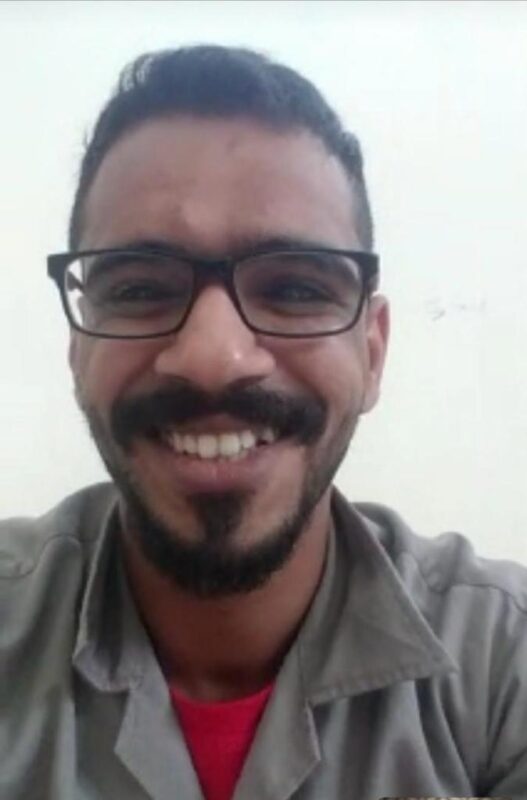
Ammar Ebrahim Ahmed (Dhaif), a 17-year-old Bahraini high school student and minor, was arrested by Bahraini authorities from his sister’s home on 13 July 2013 without providing an arrest warrant. During his detention, he was subjected to torture, sexual harassment, denial of access to his lawyer during interrogation, an unfair trial based on confessions obtained[…]
26
Jan
Jan
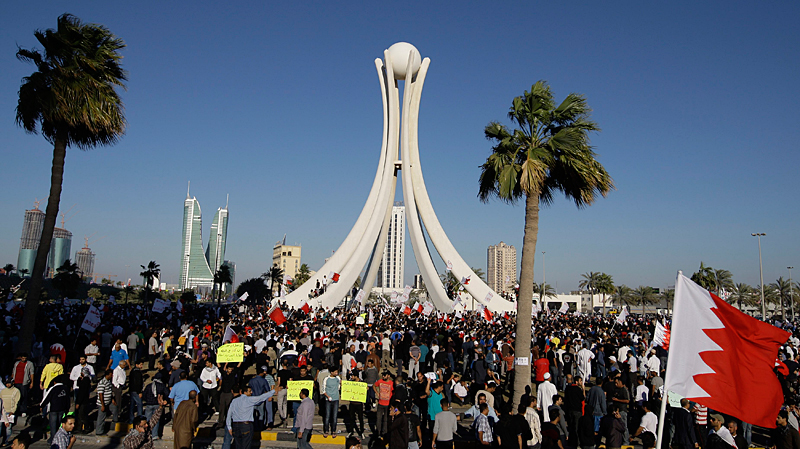
The Bahraini government’s systematic suppression of freedom of expression, assembly, and peaceful protest is evident through a series of repressive laws and practices. Human Rights Watch (HRW) has highlighted these issues, particularly focusing on the political and civil isolation laws enacted in 2018. Americans for Democracy and Human Rights had covered before the consequences of[…]
25
Jan
Jan
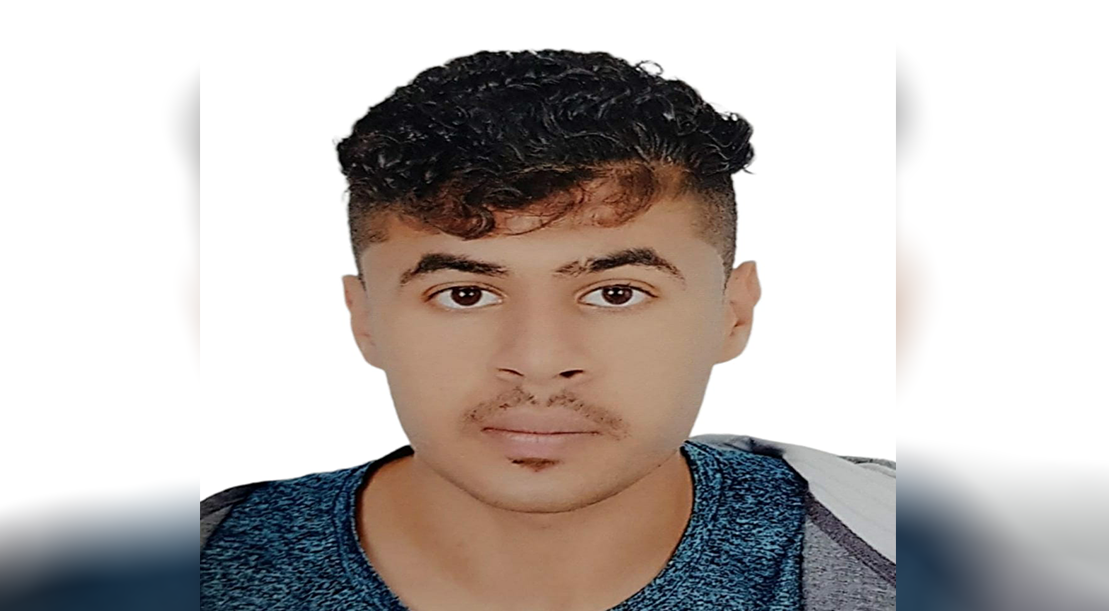
Updated: Mohamed AbdulJabbar Sarhan was a 20-year-old first-year university student at the University of Bahrain when Bahraini authorities arbitrarily arrested him on 22 November 2021. During his detention, he was subjected to torture, sexual assault, solitary confinement, an unfair trial based on confessions extracted under torture, medical neglect, and deprivation of communication with his family.[…]
18
Jan
Jan
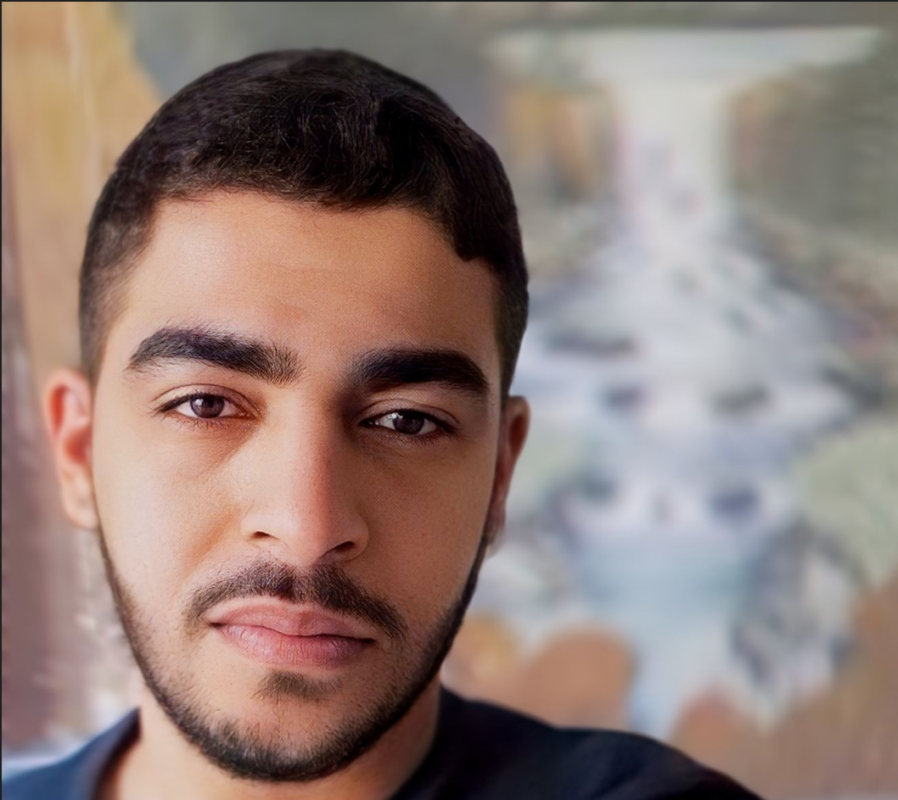
Updated: Fadhel Abbas Mohamed, a Bahraini citizen from the village of Nuwaidrat working in the private sector, was 19 years old when Bahraini authorities arrested him at his home at dawn on 22 November 2021, without presenting any arrest or search warrant. During his detention, he was subjected to torture, enforced disappearance, deprivation of communication[…]
16
Jan
Jan
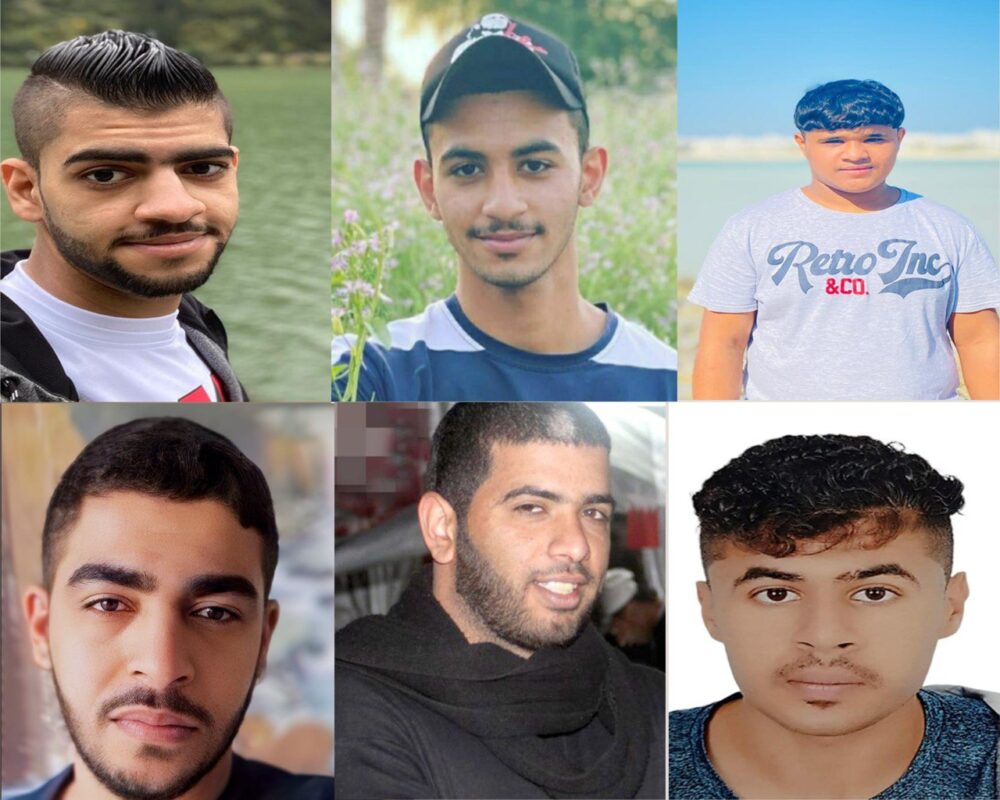
The United Nations Working Group on Arbitrary Detention (WGAD) adopted an opinion on 30 August 2023 during its 97th session concerning six Bahrainis, one of whom was a minor at the time of the arrest. These Bahrainis were arbitrarily arrested and subjected to gruesome human rights violations. Given the severity of the torture inflicted upon[…]