

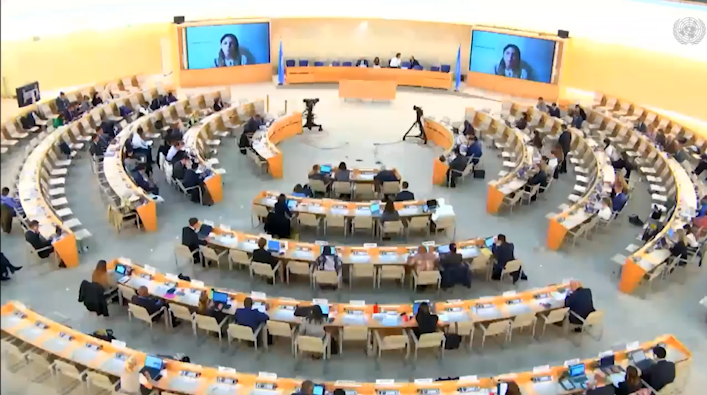
On 26th September 2024, ADHRB delivered an intervention at the United Nation Human Rights Council session 57 under item 4 during the General Debate. ADHRB urged pressuring Bahrain to ensure transitional justice for former prisoners We highlight the hardships faced by recently released political prisoners in Bahrain as they attempt to rebuild their lives. Despite[…]
26
Sep
Sep
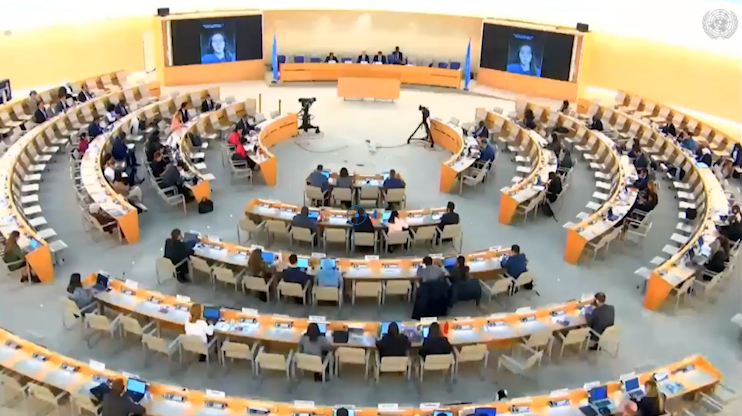
On 25th September 2024, ADHRB delivered an intervention at the United Nation Human Rights Council session 57 under item 4 during the General Debate. ADHRB emphasized the need to end impunity in Bahrain starting with dismissing the Minister of Interior. True reform in Bahrain remains elusive, in light of a pervasive culture of impunity. Since[…]
26
Sep
Sep
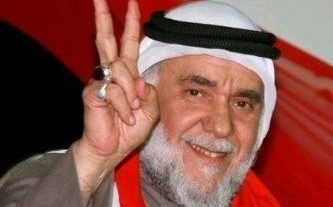
Updated: Mr. Hasan Mushaima is a prominent Bahraini opposition figure and political prisoner who has been serving his life sentence in Jau Prison since 2011 after being charged with attempting to overthrow the government in light of his role in the pro-democracy demonstrations. During his imprisonment, authorities have been subjecting the 76-year-old to maltreatment and[…]
23
Sep
Sep
Bahrain: Joint Letter on Human Rights Priorities to All Member States of the United Nations General Assembly Re: 79th Session of the UN General Assembly 23 September 2024 Your Excellencies, During the 79th session of the United Nations General Assembly (UNGA 79), we urge you to raise human rights priorities in Bahrain, including concerns about[…]
23
Sep
Sep
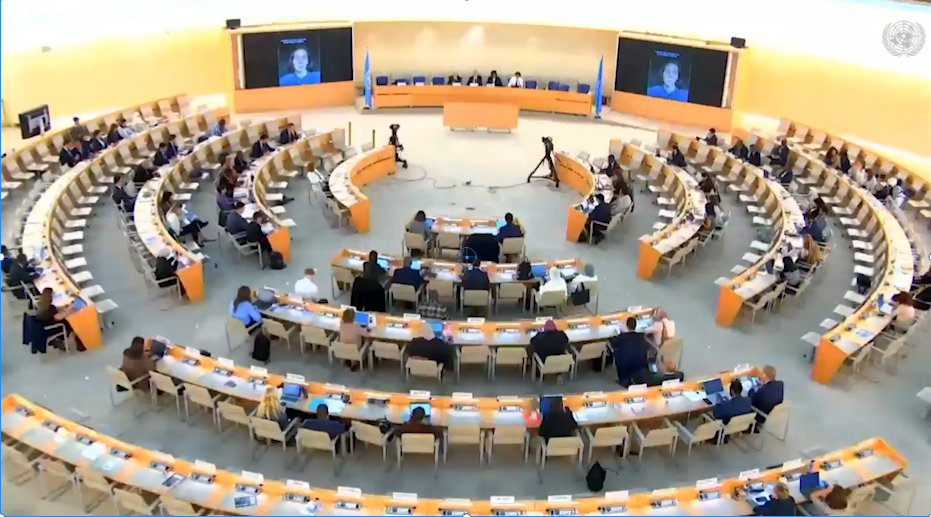
On 20th September 2024, ADHRB delivered an intervention at the United Nation Human Rights Council session 57 under item 3 during the General Debate. ADHRB drew the Council’s attention to the rising summonses, arrests, and trials related to freedom of expression, occurring alongside the recent releases in Bahrain. We draw the Council’s attention to the[…]