

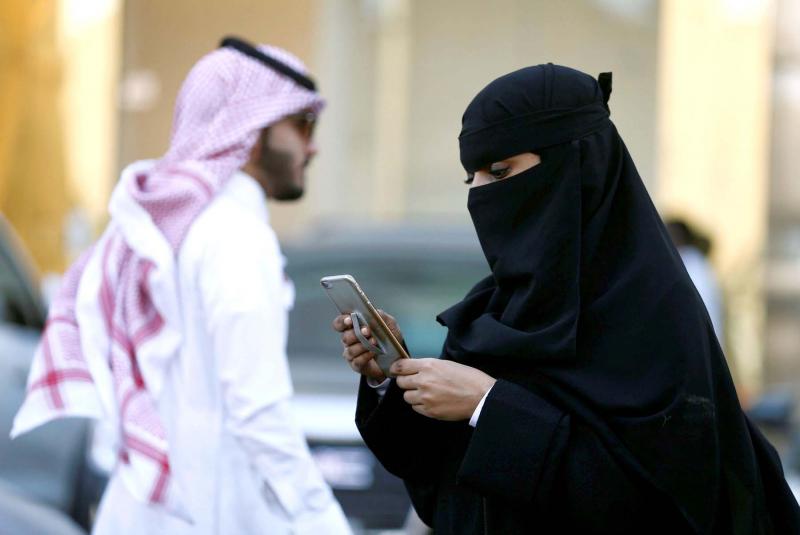
The UN’s Commission on the Status of Women (CSW) unanimously appointed Saudi Arabia to chair its 69th session in 2025. Abdulaziz Alwasil, the Saudi ambassador to the UN, was elected on March 27 to represent his country. Being chair of the CSW means that Saudi Arabia pivots the political, economic, civil, and social prerogatives of[…]
17
Apr
Apr
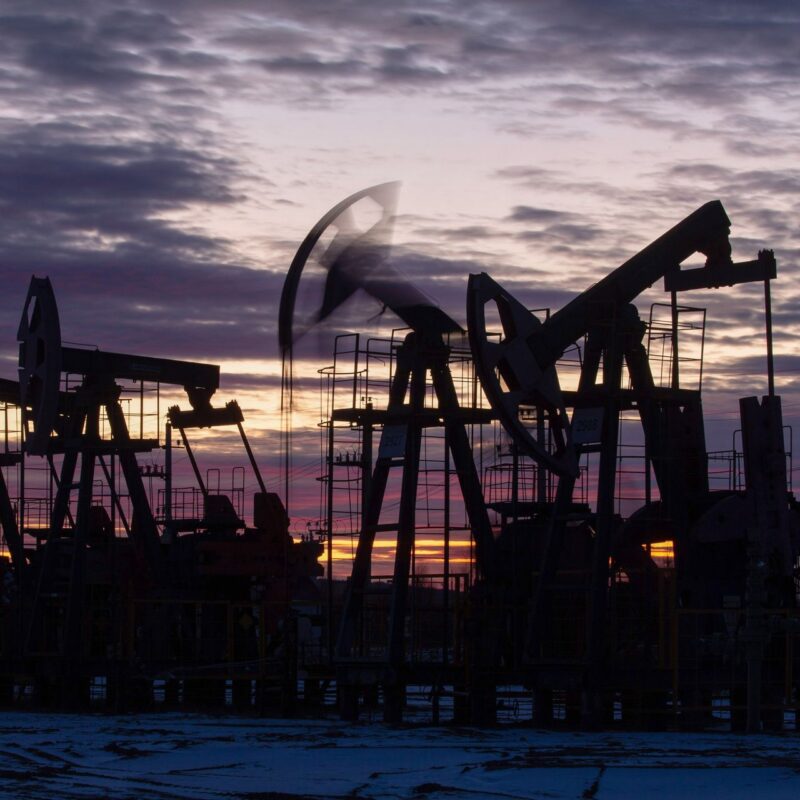
Seventy-six million metric tons of oil reserves are located in the Arab Gulf, constituting around 66% of the global reserves. Oil represents a prominent source of income in the Middle East, proven by the increased production during the last decades. From 1980, oil production passed from 11 million barrels per day to 18 million. The[…]
05
Apr
Apr
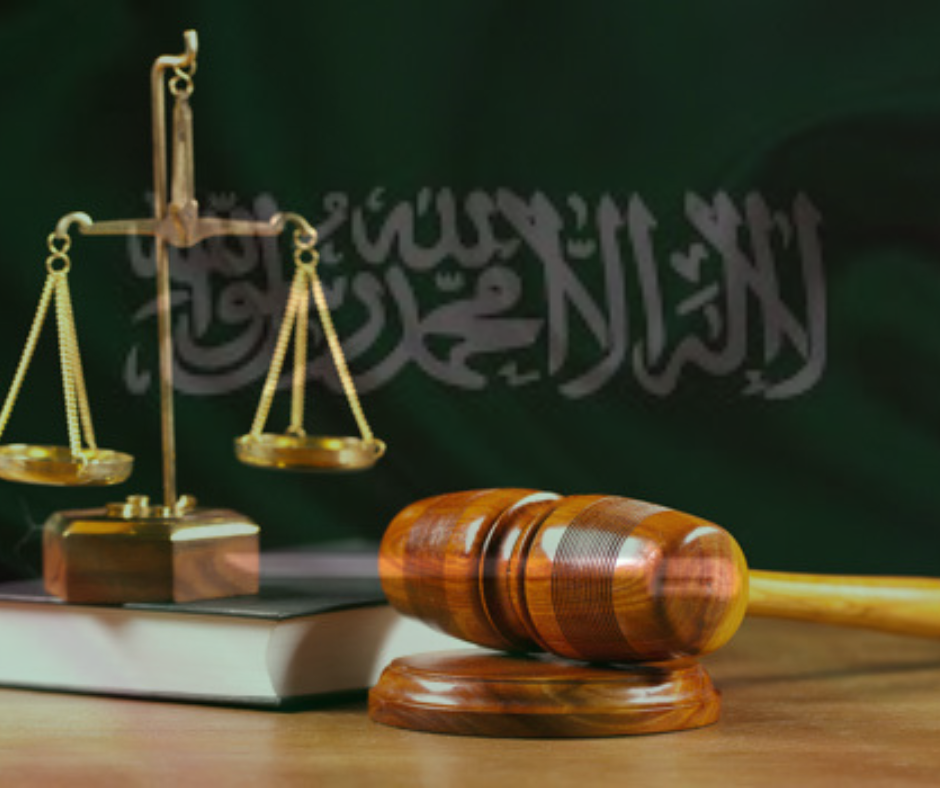
The draft of Saudi Arabia’s first penal code was leaked in July 2022. The text has been the subject of various allegations, which Saudi Arabia promptly denied. However, Amnesty International, which first denounced the code’s flaws, ensures that several Saudi legal experts have confirmed its authenticity. More recently, Amnesty International shared its analysis of the[…]
20
Mar
Mar
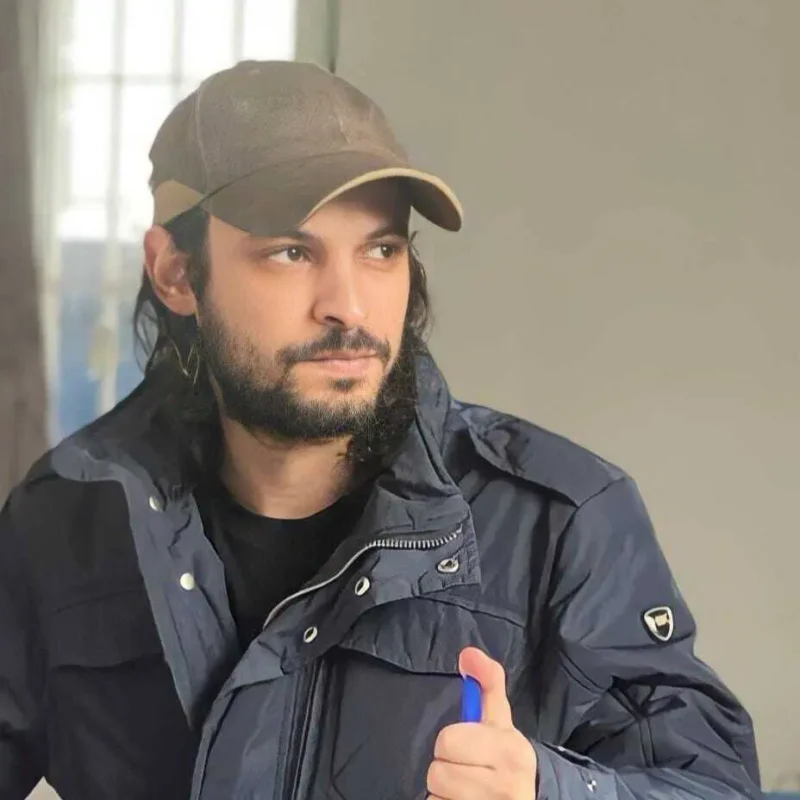
The story of Abdulrahman al-Khalidi has recently caught the media’s attention, along with campaigns requesting his release. Human Rights Watch (HRW) and Article 19 promptly warned Bulgarian authorities of the risk the activist would face if deported to Saudi Arabia. This case has already highlighted negligence by Sofia authorities, violating the human rights of the[…]
13
Mar
Mar
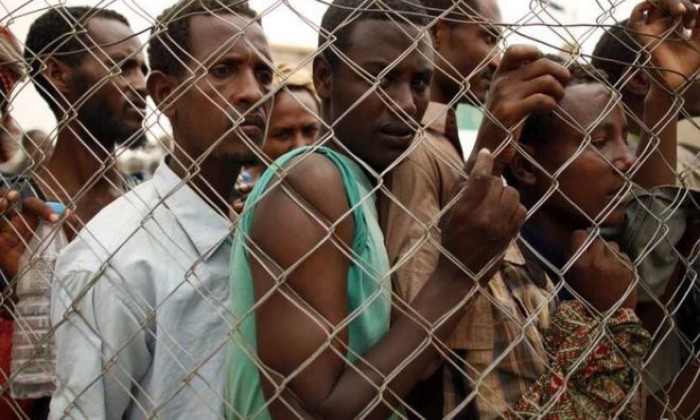
The Gulf remains a major destination for migrant workers, primarily from southern and Southeast Asia. Often, migrants from Bangladesh, India, Sri Lanka, Pakistan, and numerous other countries travel to the Gulf States to work in low-skilled labour sectors. ADHRB, along with other organisations, reported the systemic discrimination these minorities face, including access to healthcare, threats[…]