

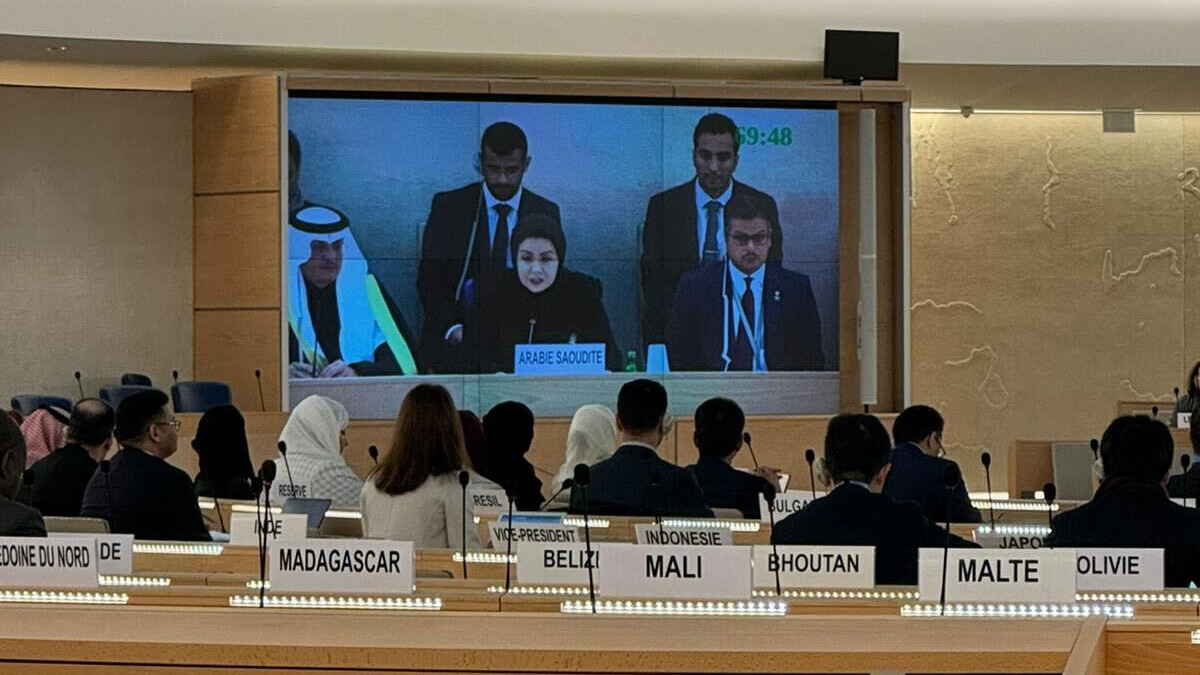
On 22 January 2024, Saudi Arabia received a review of its human rights record in the country’s fourth Universal Periodic Review (UPR). This mechanism is characterised by a peer review by other UN member states suggesting how to improve the respect of human rights in light of the country’s international obligations. The government has received[…]
05
Feb
Feb
Before the commencement of the 55th session of the Human Rights Council (HRC) on 26 February 2024, ongoing human rights violations in Bahrain have been exposed. This is despite the government’s vigorous efforts to conceal these violations, particularly the freedom of opinion and expression, by claiming superficial reforms before the international community. However, monitoring the[…]

31
Jan
Jan
Historically, Gulf Cooperation Countries have used a strategy of repression by imposing state control of the media or through broad laws and strict censorship. Often, the governments justify this control by referring to social values like cohesiveness and harmony in society. However, this strategy poses journalists in the Gulf at extreme risk. They are harassed,[…]
05
Feb
Feb
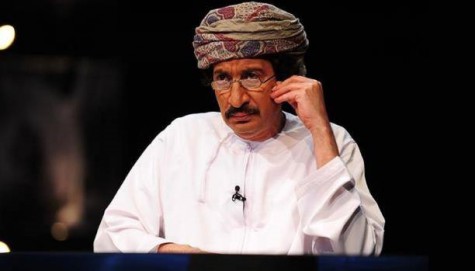
Throughout Oman, freedom of speech is nonexistent as the government routinely detains activists, academics, and other critical figures for publicizing any dissent of the government. Free expression is heavily constrained and even criminalized under the law – in 2018, Oman updated its Penal Code, ultimately further increasing restrictions and allowing for more severe punishments for[…]

17
Jun
Jun
Today marks the fifth anniversary of activist and blogger Raif Badawi’s arbitrary detention in Saudi Arabia. On 17 June 2012, Saudi officials arrested Badawi on charges of apostasy for allegedly insulting Islam in his online publications and establishing the website “Free Saudi Liberals,” a forum for discussion. The Saudi government sentenced Badawi to ten years[…]