

Today marks the fifth anniversary of activist and blogger Raif Badawi’s arbitrary detention in Saudi Arabia. On 17 June 2012, Saudi officials arrested Badawi on charges of apostasy for allegedly insulting Islam in his online publications and establishing the website “Free Saudi Liberals,” a forum for discussion. The Saudi government sentenced Badawi to ten years[…]
20
Apr
Apr
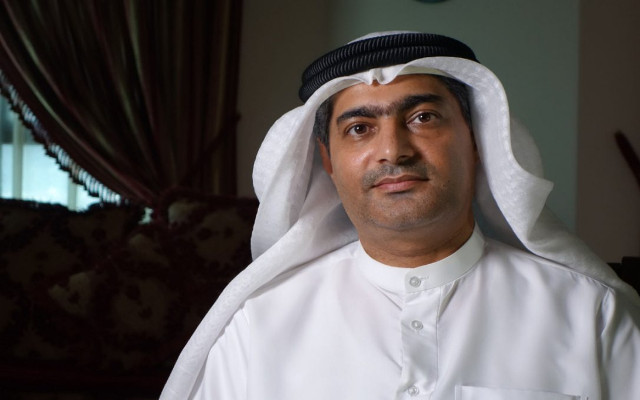
20 April 2017 – A group of 88 human rights organizations – including the Gulf Center for Human Rights, Article 19, Index on Censorship, and ADHRB – signed a petition calling on the Government of the United Arab Emirates (UAE) to immediately release prominent human rights defender Ahmed Mansoor. The UAE government arrested Mansoor on 20[…]
17
Jan
Jan
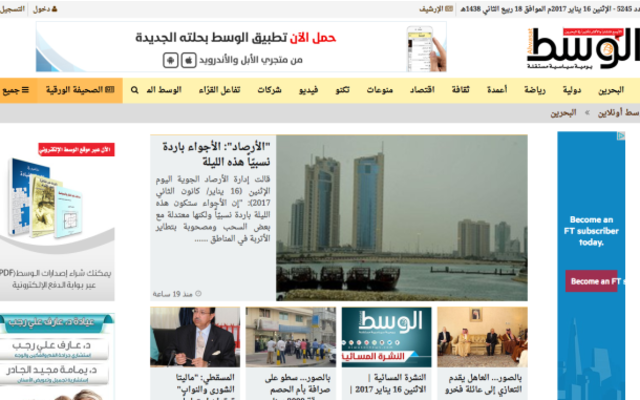
17 January 2017 – Bahrain’s Ministry of Information Affairs (MIA) yesterday issued an order to suspend the only independent newspaper in the country, Alwasat, from using electronic media tools, effectively suspending its online presence. The order comes a day day after the execution of three torture victims and on the day the trial of journalist[…]
21
Oct
Oct
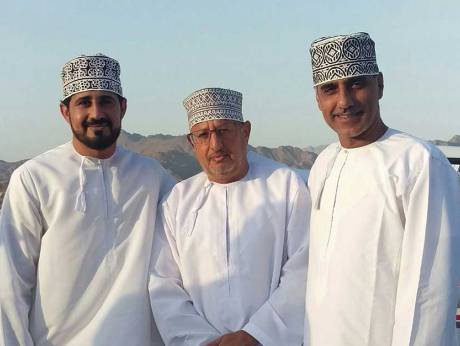
In August, Americans for Democracy & Human Rights in Bahrain (ADHRB) covered the initial arrest of three Azamn newspaper journalists and the paper’s suspension in Oman. The crimes were related to a report Azamn published on 26 July 2016 that criticized Oman’s judicial system. Two days after the report’s release, Omani authorities arrested the founder[…]
27
Sep
Sep
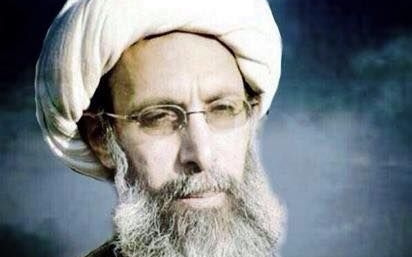
Sheikh Nimr Baqir al-Nimr was an ardent advocate against all forms of oppression. He was a Shia cleric who pushed for equality for Saudi Arabia’s Shia Muslim population, while also promoting increased political freedom for the kingdom’s Sunni Muslims. His ideals have resonated around the country and across sectarian lines. Much of the appeal of[…]