

Globally, the impact of climate-induced back draws and, ultimately, migrations can be witnessed extensively. This phenomenon is less prevalent in the Gulf Cooperation Council (GCC). However, the recent statistics on climate change and the allocation of investments in natural resources in the Gulf can revert the trend. According to the Middle East Institute (MEI), the[…]
17
Jan
Jan
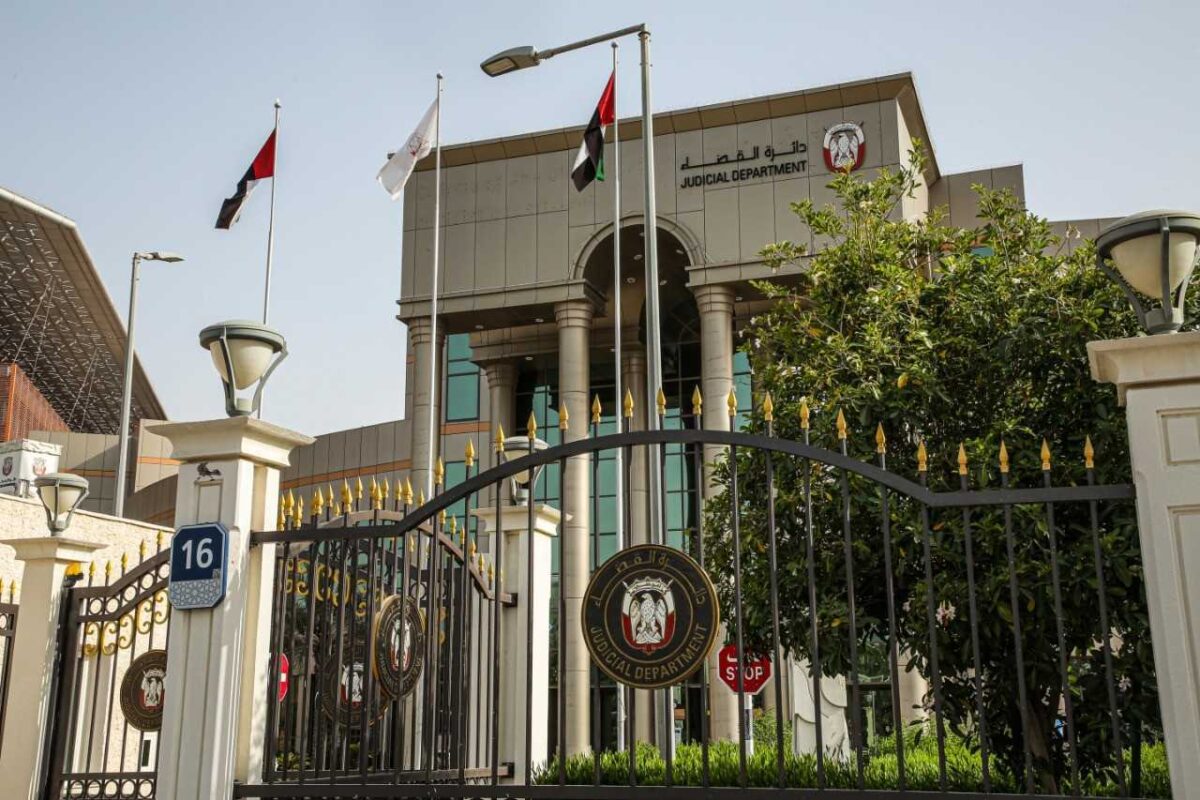
The Emirati authorities’ commencement of a mass trial involving over 80 Emiratis, including prominent human rights defenders and prisoners of conscience, has sent shockwaves globally. The trial coinciding with COP28, billed as the ‘most inclusive COP ever,’ reflects the UAE’s blatant disregard for human rights and its unwillingness to address the dire state of rights[…]
06
Dec
Dec
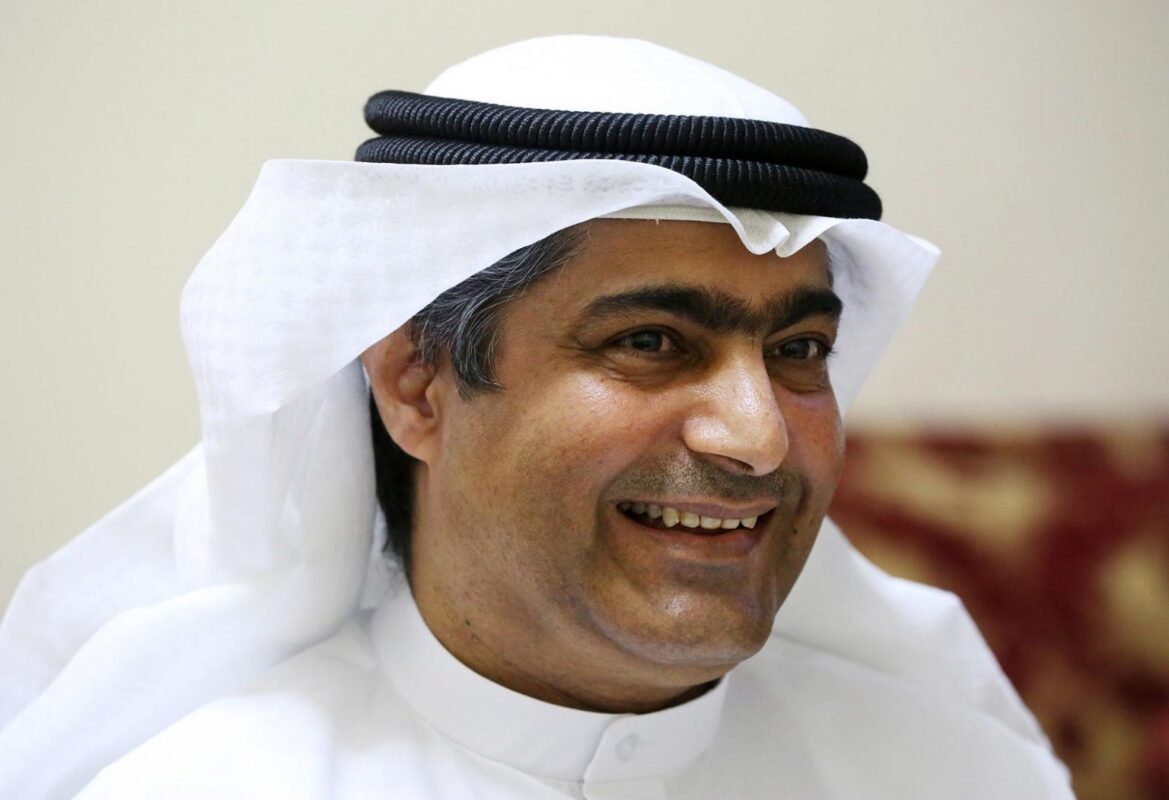
Ahmed Mansoor, a prominent human rights defender in the United Arab Emirates (UAE), has faced relentless persecution due to his unwavering advocacy for human rights. His case stands as a distressing emblem of the struggles faced by activists in the UAE, shedding light on the challenges of championing fundamental rights in the region. Mansoor’s arrest[…]
13
Jun
Jun
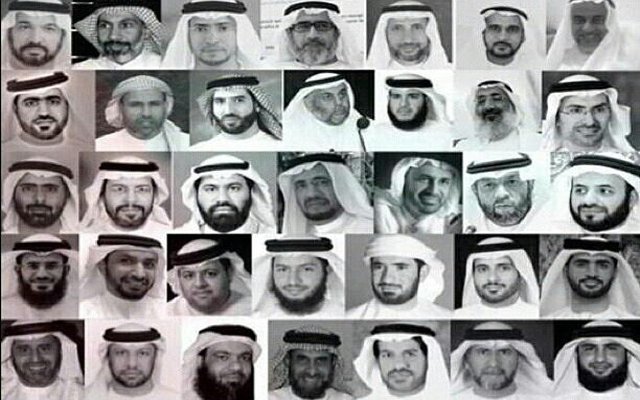
Today, Americans for Democracy & Human Rights in Bahrain (ADHRB) launched an international campaign urging the United Arab Emirates (UAE) to disclose the fate of at least 60 human rights defenders, civil society activists, and Emirati political dissidents known as the “UAE 94” group who have been arbitrarily detained since 2012 for their advocacy of[…]
25
Apr
Apr
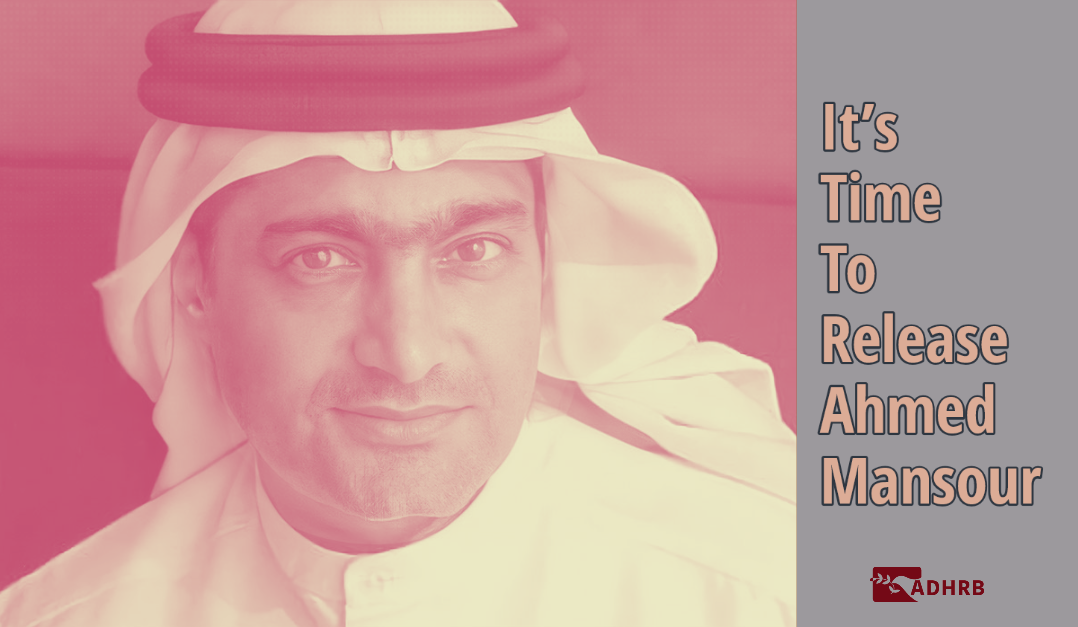
Under the slogan “#It’s time to release Ahmed Mansour “, Americans for Democracy & Human Rights in Bahrain (ADHRB) announces the launch of a campaign to demand the immediate and unconditional release of the Emirati human rights defender Ahmed Mansoor, who is detained due to his peaceful human rights-related activities. The organization sent a letter[…]